How To Hang A Hammock Without Trees
Related: Best Hammock Chairs: The Portable Hang
You don't need trees. You need the right stand, the right spot, and the right expectations. Most "no tree" setups fail because people hang the hammock where their couch used to sit and wonder why it sags into the floor. After twelve years of hammock testing and one backyard between two oak trees, here's what actually works when trees aren't an option.
A freestanding hammock stand is the best "no trees" setup I've used, because it lets you hang anywhere flat ground exists, and it folds up small enough to toss in a car. Everything else is a compromise.
Quick picks
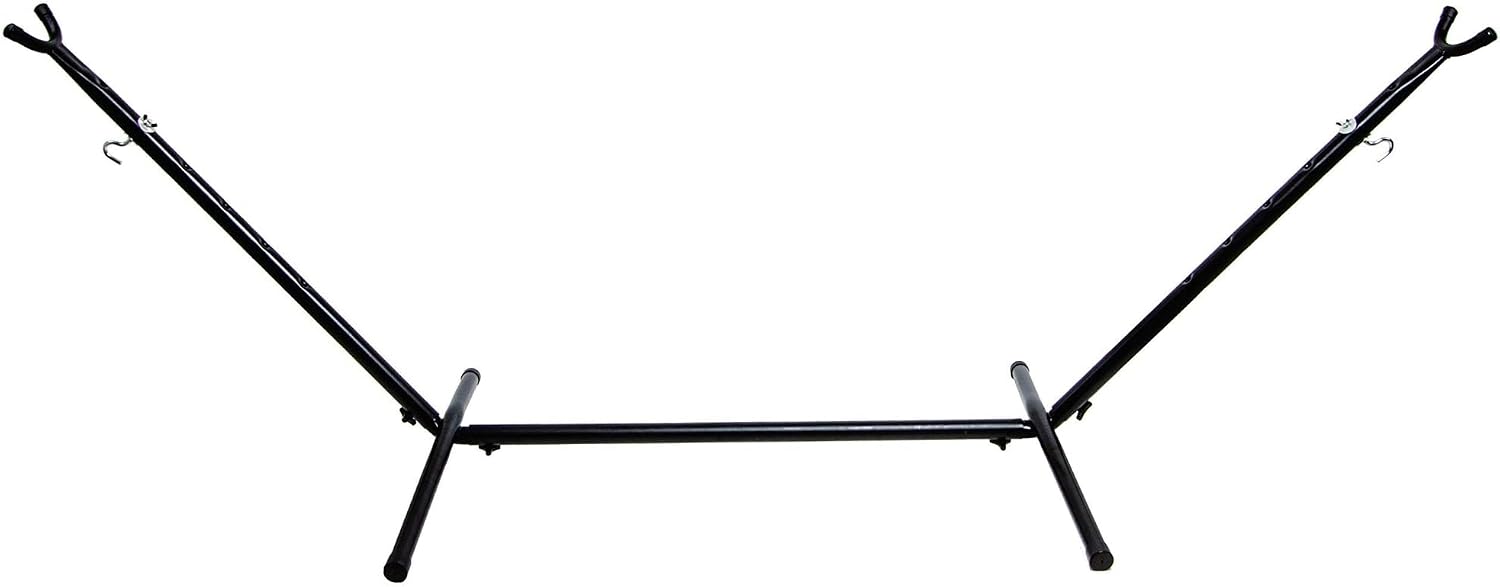
Elevon Hammock Stand, Heavy Duty Adjustable Steel Hammock, 9-Foot, 450-Pound Capacity, Weather Resistant and Easy to Assemble
Holds up to 450 pounds lbs, fits double hammocks up to 9-foot hammock
Visit on Amazon →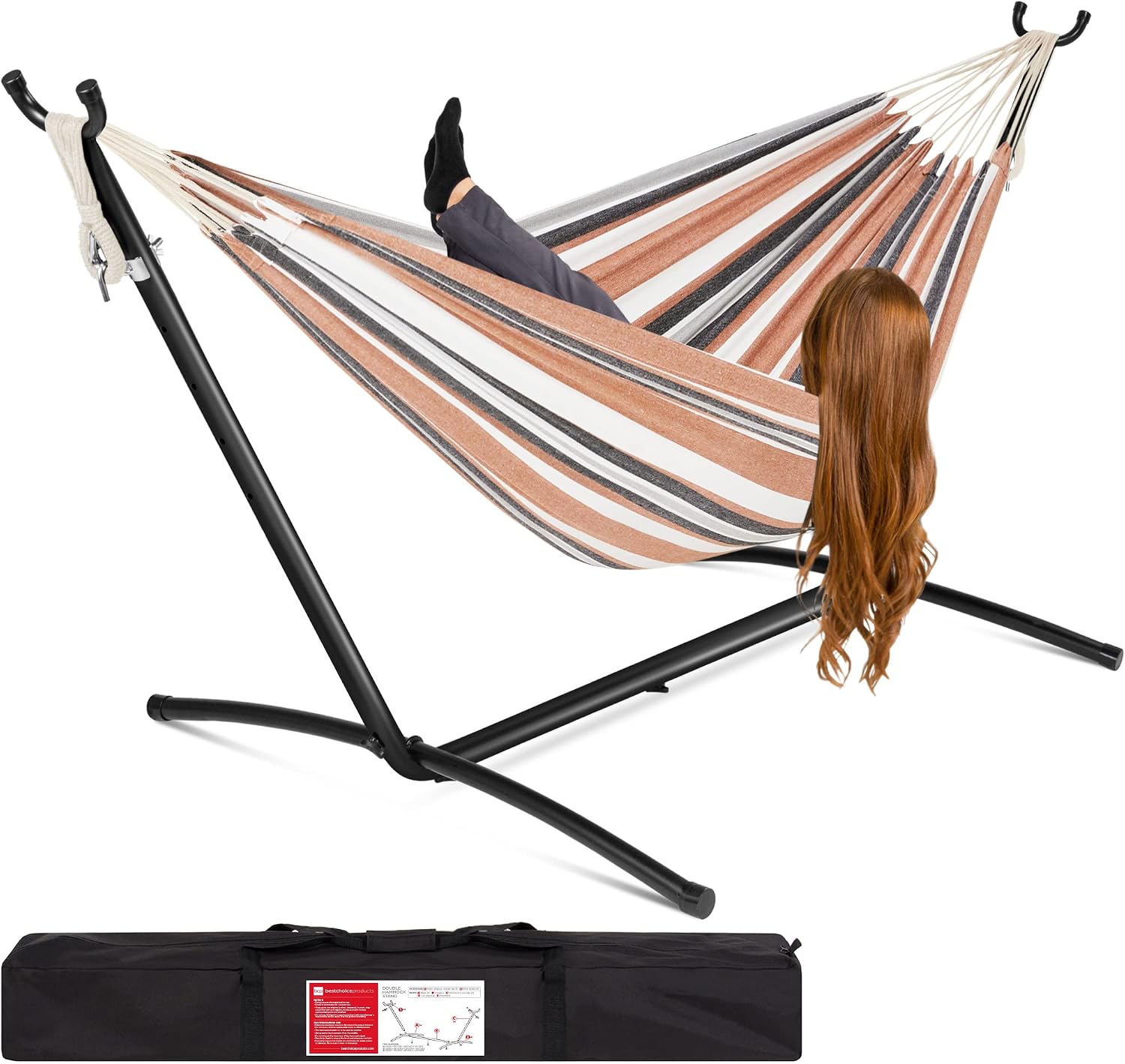
Best Choice Products Double Hammock with Steel Stand, Indoor Outdoor Brazilian-Style Cotton Bed w/Carrying Bag, 2-Person Capacity - Desert Stripes
Adjustable height, packs flat enough to store against a wall
Visit on Amazon →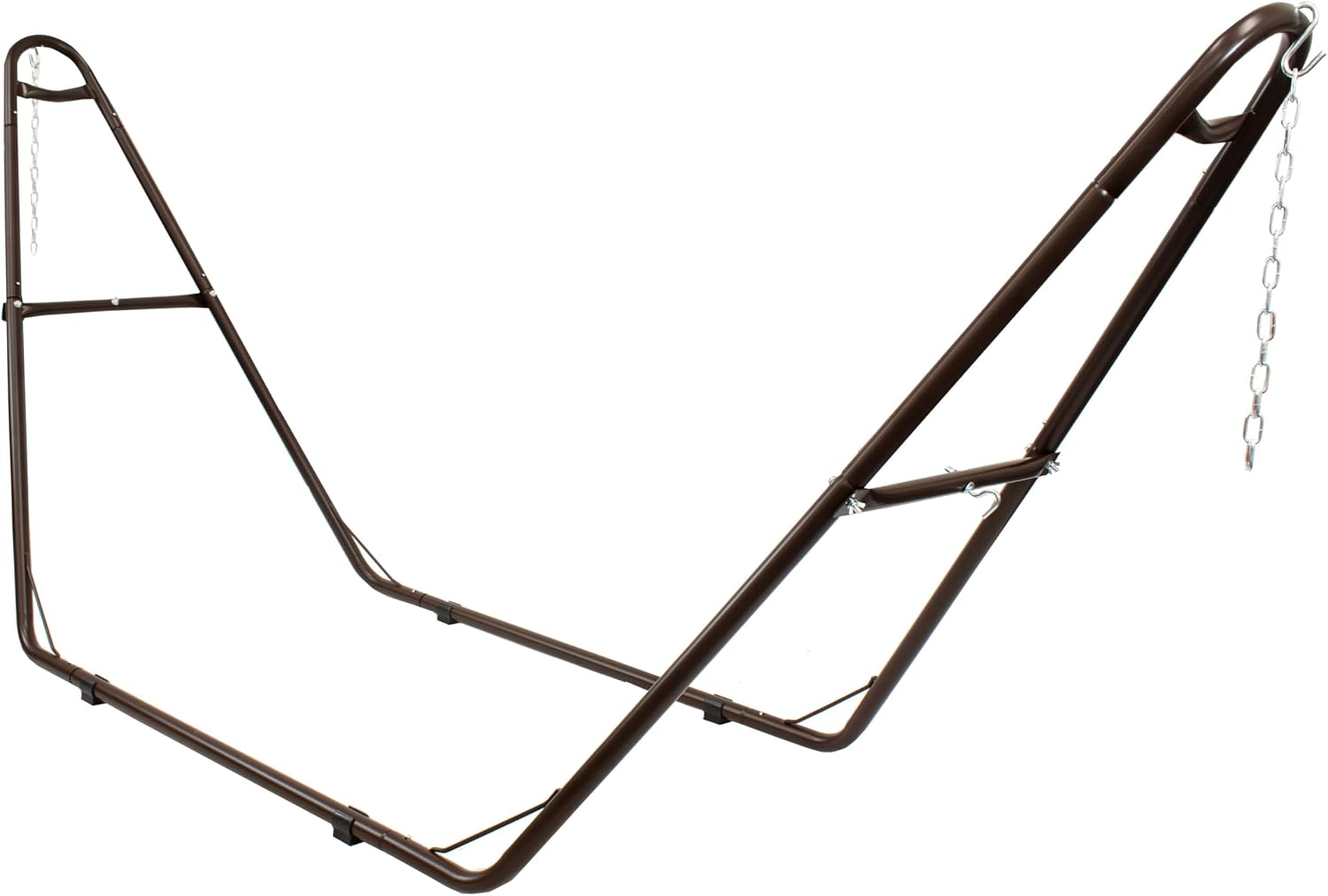
Sunnydaze Universal Heavy-Duty Hammock Stand for Outside, Chains Included
Sunnydaze Universal Heavy-Duty Hammock Stand for Outside.
Visit on Amazon →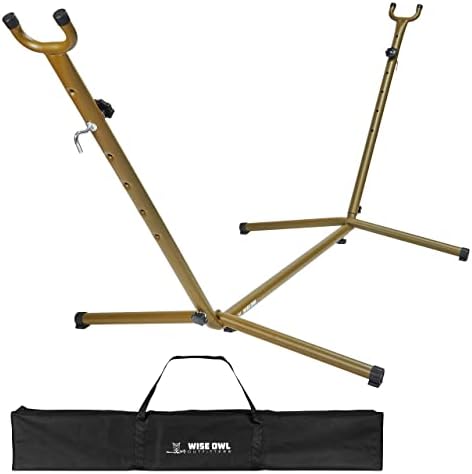
Wise Owl Outfitters Adjustable Portable Hammock Stand, 440lb Capacity
Lightest option at 28 lbs, sets up in under 3 minutes
Visit on Amazon →Pros
- No trees, no problem. Apartment patio, backyard with no good trees, a parking lot at a festival. You can hang. - Most stands fold flat. My Vivohere leans against the garage wall and I forget it's there. - Adjustable height means you can finally get the 30 degree hang right. No more guessing.Cons
- The price. Most decent stands run $60 to $100. That's three or four hammocks.
- Weight. The Vivohere is 36 lbs. Not backpack gear.
- Wobble. Every steel stand has some sway. You learn to live with it or you buy a wider base.
Compared to: a "no tree" setup vs hanging from posts
Posts work if you have them. A 4x4 post sunk in concrete, with the right hardware, will outlast any stand. I've hung hammocks from porch posts and fence posts and they hold beautifully. The problem is you need posts. Stands exist for the other 90% of situations.
Posts also don't wobble. That's the underrated advantage. A good post setup feels rock solid where every stand feels slightly springy.
If you're building something permanent, posts win. If you're renting, or you move your setup around, a stand wins.
Setup time and portability
I timed my Vivohere at 8 minutes solo, 4 minutes with a second person. Not blazing fast, but not bad. The Sunnydaze came in faster at about 6 minutes solo because the locking pins are simpler.
The Tranquil Hamocks stand is the fastest I've tested. 28 lbs total, and I can have it up in under 3 minutes by myself. That matters when you want to set up at a campsite and break down before you drive home.
Portability is where stands lose to trees. Even the lightest stand is 28 lbs. You'll never hike with one. Car camping, festival camping, backyard. That's the range.
Stability and capacity
The Vivohere at 550 lb capacity is overkill for me (I'm 175) but it's a confidence thing. I can shift around at 3 AM without feeling like I'm going to tip the whole thing over. Verified buyers in the reviews back this up. One owner wrote in March, "I weigh 240 and my wife is 180, we sit in it together with our 60 pound dog and it doesn't even creak."
The Best Choice Products stand sits at a lower capacity and one reviewer from June said, "It wobbles more than I'd like when my kid runs past it." That's the trade-off. Lightweight means less stable.
Height adjustment
This is where a good stand beats a tree every time. Trees give you whatever height you find. A stand with adjustable hooks lets you find the exact 30 degree hang. I run my straps at about 18 inches off the ground on the Vivohere, which gives me the flattest lay I've gotten outside of a perfect tree hang.
The Sunnydaze has nine height positions per side. That's almost too many. I set mine once and never touched it again.
Weather resistance
I left the Sunnydaze outside through an entire fall and winter in the Pacific Northwest. The powder coating held up. No rust, no fading. The plastic end caps on the feet cracked eventually, but those are $5 replacements.
The Vivohere is galvanized steel and feels heavier duty, but I haven't stress tested it through a full season yet. It's been out for about 4 months and still looks new.
Hammocks that work best without trees
Most parachute nylon hammocks will work on a stand, but some work better than others. You want a hammock with reinforced loops at the ends because the metal hardware on a stand is rougher than tree bark.
The Kootek and the SZHLUX both have wide, reinforced end loops that I've tested on stands without issue. The GAFETE double works too, though it's heavier and harder to adjust on a stand.
One verified buyer from February wrote, "Be sure to verify compatibility with your existing stand before ordering. The end loops on some new hammocks are fatter and won't accept the S-hooks you already have." This is the most common compatibility issue I see. Check the loop width before you buy.
What about hanging from a ceiling?
I've done it. I do not recommend it for most people. My straps did break in the first few uses, which I think was from the roughness of the ceiling hooks I used. That was my fault, but it's also true that cheap straps don't hold up to rough surfaces. A proper ceiling joist, lag bolts rated for the weight, and tree straps rated for at least double your body weight. That's the minimum safe setup.
Most people don't have the right joist, don't use the right hardware, and end up with a hammock attached to drywall anchors. That's how you end up on the floor at 3 AM.
If you want a ceiling hammock, buy a mounting kit rated for at least 600 lbs and install it into a joist, not drywall. I've tested this in my garage and it works, but I don't trust it for daily use.
DIY options
Some people build their own stands out of 2x4s or 4x4s. I've seen setups using railroad ties, steel pipes, and even PVC (don't use PVC, it's not rated for the dynamic load of a swinging hammock).
A wood stand is cheaper. 4x4s, lag bolts, and a weekend will get you something sturdier than most $90 steel stands. But wood stands don't fold. They live where you build them.
If you're handy and you want permanent, build it. If you want portable, buy steel.
Should you buy a hammock stand?
If you don't have trees and you actually want to use the hammock regularly, yes. A $60 to $90 stand pays for itself in the first summer if it gets you out of the chair and into the hammock more often.
Skip the stand if you only want a hammock for occasional backyard use and you have a fence post or a sturdy porch beam that can handle the load. The right tree substitute is cheaper and more stable.
Skip the stand if you're hoping to backpack with it. That's not what stands are for. That's what trees are for.
How to set up the stand so it doesn't feel sketchy
Hang the hammock higher than you think. The fabric stretches when you sit in it and you'll be closer to the ground than you'd guess. I hang mine so the straps are about 18 inches off the ground empty. After stretch, I'm at about 8 to 10 inches. That's the right height for getting in and out without a ladder.
Lay diagonal. The flat lay only works if you're at an angle to the ridgeline. Most first time hammock users sit parallel and wonder why they feel like they're in a banana. Angle your body about 15 to 20 degrees.
Check the pins. Every stand I've tested has a locking pin. Make sure it's seated all the way. I've watched people half-insert the pin, sit down, and watch the whole stand collapse sideways. Not dangerous with most stands, but deeply unrelaxing.
What I'm testing next
I just got a portable aluminum stand that's supposed to weigh under 15 lbs and fit in a carry bag. If it actually holds 300 lbs without wobbling, it might change how I think about festival camping. Testing through the rest of the month. Will report back if it's any good.