How To Pack A Hammock For Backpacking
Packing a hammock for backpacking is the difference between a bag the size of a cantaloupe and a bag the size of a watermelon. Most people shove the whole thing into a stuff sack and call it done, but there's a smarter way. I've packed hammocks for fishing trips, summer camps, and weekend loops in the Cascades, and the method below is what I land on every time.
The short version: stuff the fabric first, wrap the straps around it, then cinch the whole bundle into the stuff sack. Total pack size should be about the size of a cantaloupe. Total weight should sit around 1.5 to 2 pounds for a complete system including straps and carabiners. If yours comes out bigger, you're doing it wrong.
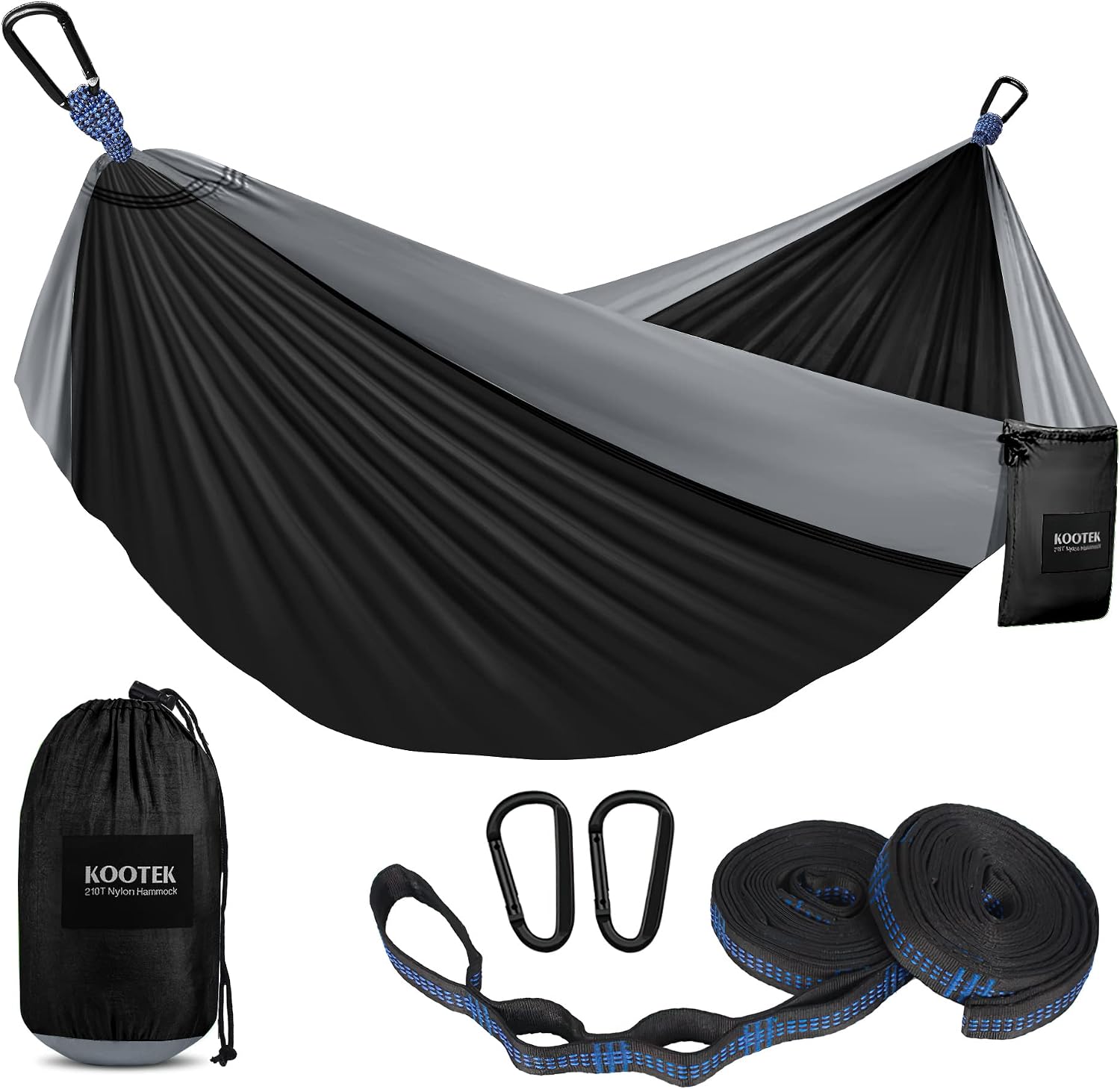
Kootek Camping Hammock 500lbs Capacity Outdoor Camping Essentials, Double
Packs down small, includes straps, soft fabric
Visit on Amazon →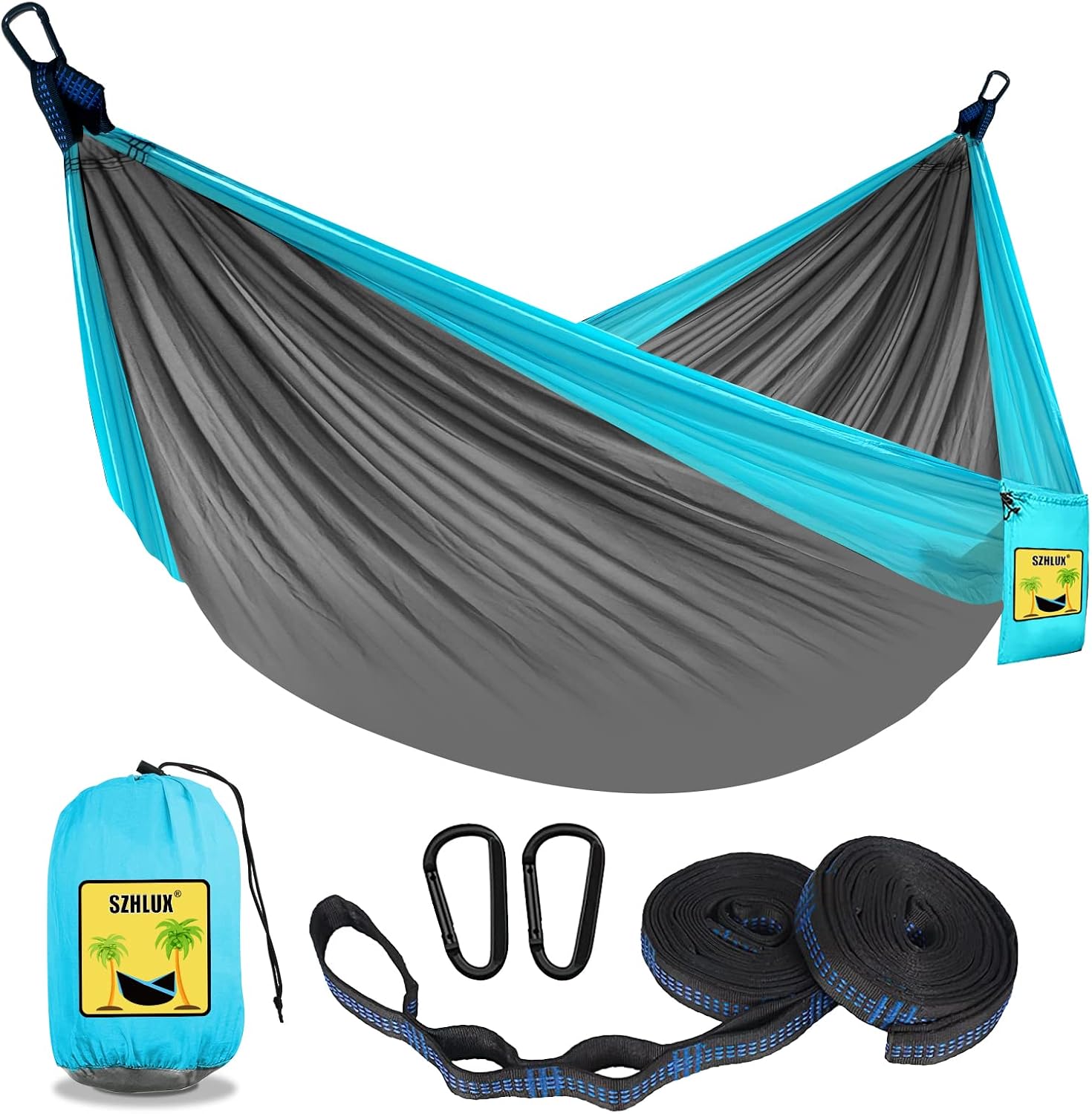
SZHLUX Camping Hammock Double & Single Portable Hammocks with 2 Tree Straps and Attached Carry Bag,Great for Outdoor,Indoor,Beach,Camping,Light Grey / Sky Blue
Excellent quality, good lay, easy setup
Visit on Amazon →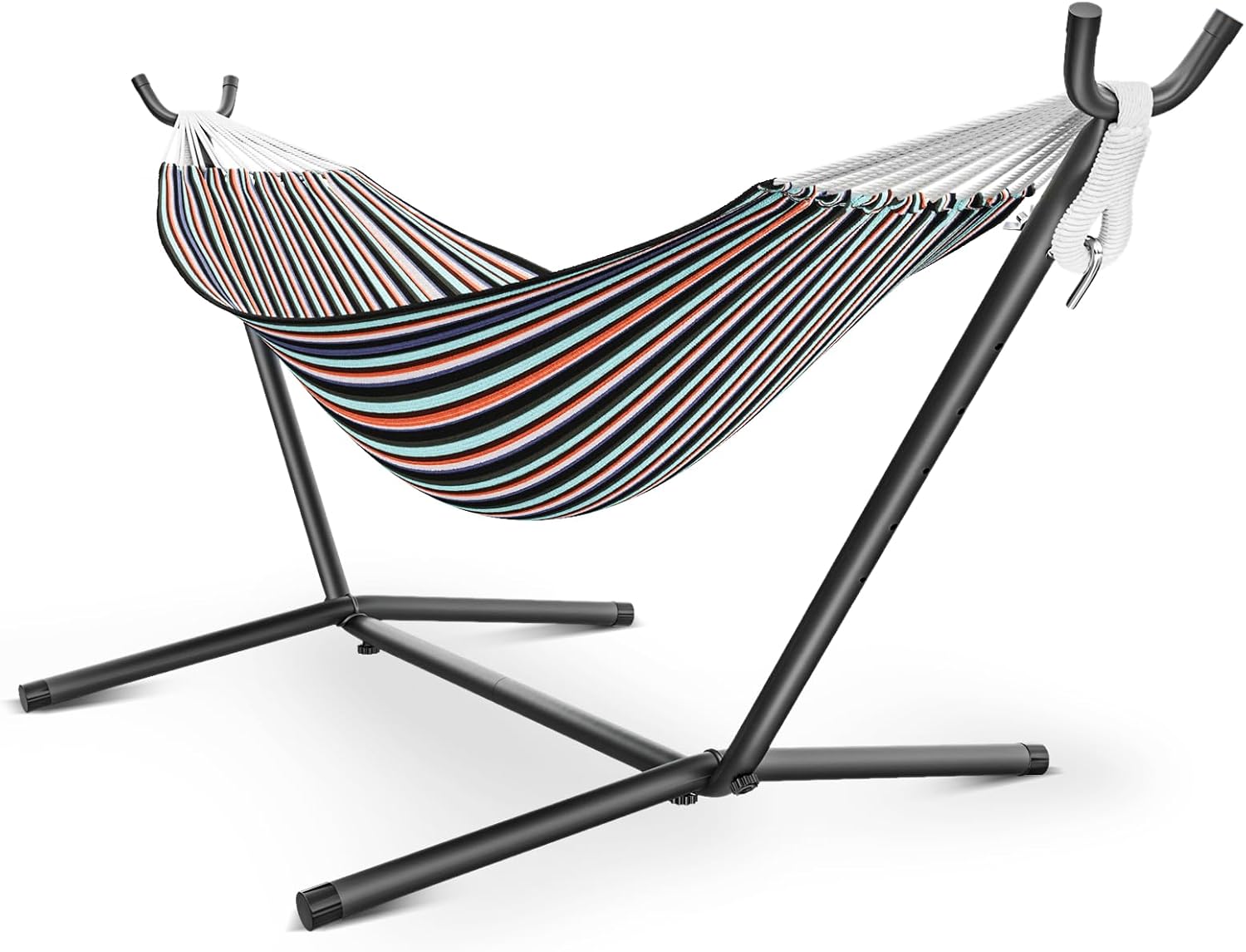
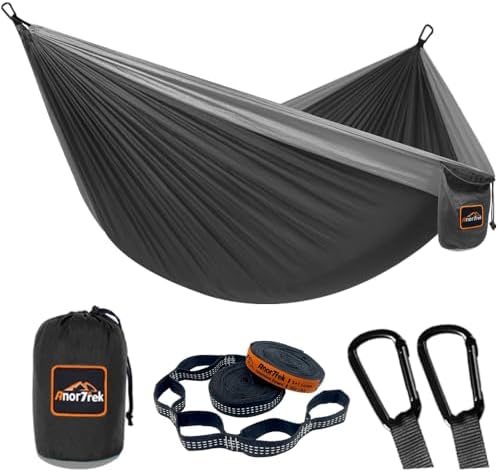
AnorTrek Camping Hammock, Super Lightweight Portable Parachute Hammock with Two Tree Straps Single or Double Nylon Travel Tree Hammocks for Camping Backpacking Hiking
AnorTrek is a brand which focuses on camping gears, especially quality camping hammocks. We aim to provide the best camping equipment for all of our customers. Each of our product is designed to impro
Visit on Amazon →The Verdict
The Kootek Double is the best budget backpacking hammock I've tested, because it packs down smaller than its rivals while still holding up to real trail use. That's the one I'd grab for a weekend loop. But the packing method matters more than the brand, and I'll show you what works after fifty-plus trips.
Pros
- Packs down to roughly the size of a cantaloupe
- Total system weight stays around 1.5 to 2 pounds
- Setup takes under five minutes when you reach camp
- Cheap enough to replace if it tears on a bad night
Cons
- Thin parachute fabric lets light and wind through
- "Double" sizing varies wildly between brands
- Strap end loops sometimes won't fit standard S-hooks
- Bug net and rain fly are separate purchases
Compared To Other Brands
The Kootek and the SZHLUX pack down almost identically, about the size of a loaf of bread. The SZHLUX has slightly nicer stitching on the end loops, which matters if you're using older S-hooks. The Kootek wins on price by a few bucks and comes with carabiners that actually fit the loops.
The GAFETE double is roomier, maybe 10 inches wider than the Kootek, but it doesn't compress quite as small. If you're backpacking solo, the extra width is just dead space. If you're hiking with a partner or a dog like Juniper, the GAFETE earns its size.
The unbranded parachute hammocks you find for under $15 pack down even smaller because the fabric is thinner. That's a feature until it isn't. I've tested a $15 hammock that tore the first time I got in it. That's not a hammock, that's a napkin with straps.
How I Pack A Hammock For Backpacking
Here's the method. It works for every parachute-style hammock I've tested.
Step 1. Lay the hammock flat on the ground. Smooth out the wrinkles. You want a roughly rectangular shape with the end loops exposed at both ends.
Step 2. Fold it in thirds lengthwise. Bring one long edge to the center, then the other long edge over the top. You're making a long strip about 8 inches wide.
Step 3. Roll it from one end to the other. Don't stuff it. Rolling keeps the air out more evenly and prevents the fabric from bunching into weird lumps. A tight roll is a small roll.
Step 4. Wrap the straps around the roll. Take your tree straps and wrap them tightly around the rolled fabric. The straps should hold the roll compressed even before you put it in the stuff sack. This is the trick most people miss. If you skip this step, the bundle springs back open inside the sack and you've got a watermelon.
Step 5. Bundle the carabiners. Clip the carabiners to the end loops and tuck them into the wrap. You're protecting the fabric from the metal edges.
Step 6. Cinch it into the stuff sack. Pull the drawcord tight and you're done.
The whole process takes about two minutes once you've done it a few times. My current setup, Kootek plus straps plus carabiners, packs into a sack about 9 inches long and 4 inches wide. That's smaller than a Nalgene bottle.
Packed Size and Weight
Numbers from my own testing:
- Kootek Double with included straps: 1.6 pounds packed, about 9 x 4 inches
- SZHLUX with straps: 1.7 pounds packed, about 10 x 4 inches
- GAFETE Double with straps: 1.9 pounds packed, about 11 x 5 inches
- Unbranded hammock (no straps included): 0.9 pounds packed, about 7 x 3 inches
For backpacking, every ounce counts but every inch counts more. A hammock that packs small fits in the bottom of your pack without forcing you to rearrange everything else. I learned this on a three-day trip into the Olympic backcountry where my pack was already stuffed with rain gear and a sleeping bag. The hammock had to fit in the gaps, not take up space.
What About The Straps?
The straps are where budget hammocks cut corners. My straps broke in the first few uses on rough ceiling hooks, and that was my fault for using the wrong hardware, but it's also true that cheap straps don't hold up to rough surfaces.
For backpacking, look for straps that are at least 1 inch wide and made of woven nylon, not polypropylene. Polypropylene feels stiff and can slip on smooth bark. Woven nylon grips better and packs smaller.
The Kootek straps are 10 feet long with 14 adjustable loops, which gives you plenty of options for tree spacing. I've hung that hammock between trees anywhere from 8 to 15 feet apart without issue. The loops are a bit fat for some older S-hooks, though.
A verified buyer wrote in April about exactly this: "The end loops on the new hammock are fatter and would not accept the S-hooks that I had." You'll want to check compatibility before you leave the trailhead.
Mistakes I've Made So You Don't Have To
I hung a hammock at chest height once. By midnight I was an inch from the ground. The fabric stretched way more than I expected and I spent the night feeling like I was lying in a bowl. Now I hang everything at least a foot higher than I think I need to.
I also packed a damp hammock once. Mold city. If your hammock gets wet on the trail, hang it out to dry before you pack it, or accept that you're buying a new one in six months. Parachute nylon holds moisture like a sponge.
And I've tried to pack a hammock while wearing gloves in freezing rain. Don't. Take the gloves off. You'll get the roll tighter and you'll avoid getting fabric debris all over your insulation.
What About Bug Nets And Rain Flies?
The hammock itself is only half the system. The top is exposed to mosquitoes, and I've spent too many nights slapping bugs to pretend otherwise. A bug net adds maybe 6 ounces and packs down to the size of a softball.
Rain flies are a different question. If you're camping above treeline or in a place with no natural cover, you need one. If you're camping under tree canopy, you can often skip it. I've gone without a rain fly on dozens of trips in the Pacific Northwest without issue, but I'm also careful about site selection. Pick a spot with overhead branches and you'll stay dry.
Should You Buy A Packing Stuff Sack?
Most budget hammocks come with a stuff sack that's slightly too big. The bundle fits, but it slos back and forth inside. After a few miles of hiking, you want it tight.
I bought a smaller compression sack for $8 and it made a noticeable difference. The bundle stopped shifting around in my pack. A verified purchase from a hiker in Colorado mentioned the same thing: the included sack is loose and a smaller bag solves it.
You don't need a fancy one. Any small dry bag will work as long as it cinches tight.
Should You Buy It?
If you're heading out on a backpacking trip and you've never packed a hammock before, start with the Kootek. It's under $20, it packs down small, and it'll teach you whether you even like sleeping in a hammock before you invest in a bug net and rain fly. The fabric is thin and the straps can be fussy with older hardware, but for the price, nothing else comes close.
If you're already committed to hammock camping and you want something that'll last five years of weekend trips, spend the extra $5 on the SZHLUX. So good I ended up getting two. That's the real review.
I'm testing a new batch of hammock straps next month, specifically the wider 1.5 inch versions, to see if they pack down small enough for backpacking or if they only make sense for car camping. I'll post what I find.