Well, is a $20 hammock really the answer to a freezing night in the woods? I’ve spent twelve years testing this stuff, and I’ve spent more nights in a hammock than a bed. The honest answer is that a hammock alone will leave you shivering by 3 AM, but the right system will keep you warmer than a tent.
Related: Hammock Camping Mistakes Beginners
I’ve got five hammocks in my backyard right now, and I’ve made every mistake in the book. Here’s how to keep warm without breaking the bank.

OneTigris Hideout Hammock Underquilt, Lightweight 4 Season Hammock Gear for Camping, Hiking, Backpacking, Travel, Beach, Backyard, Patio, Portable
Blocks wind, adds insulation, packs small
Visit on Amazon →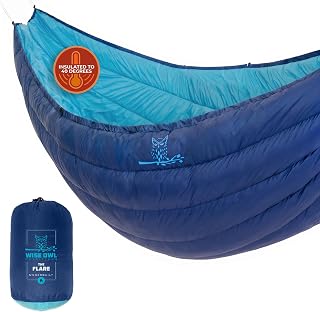
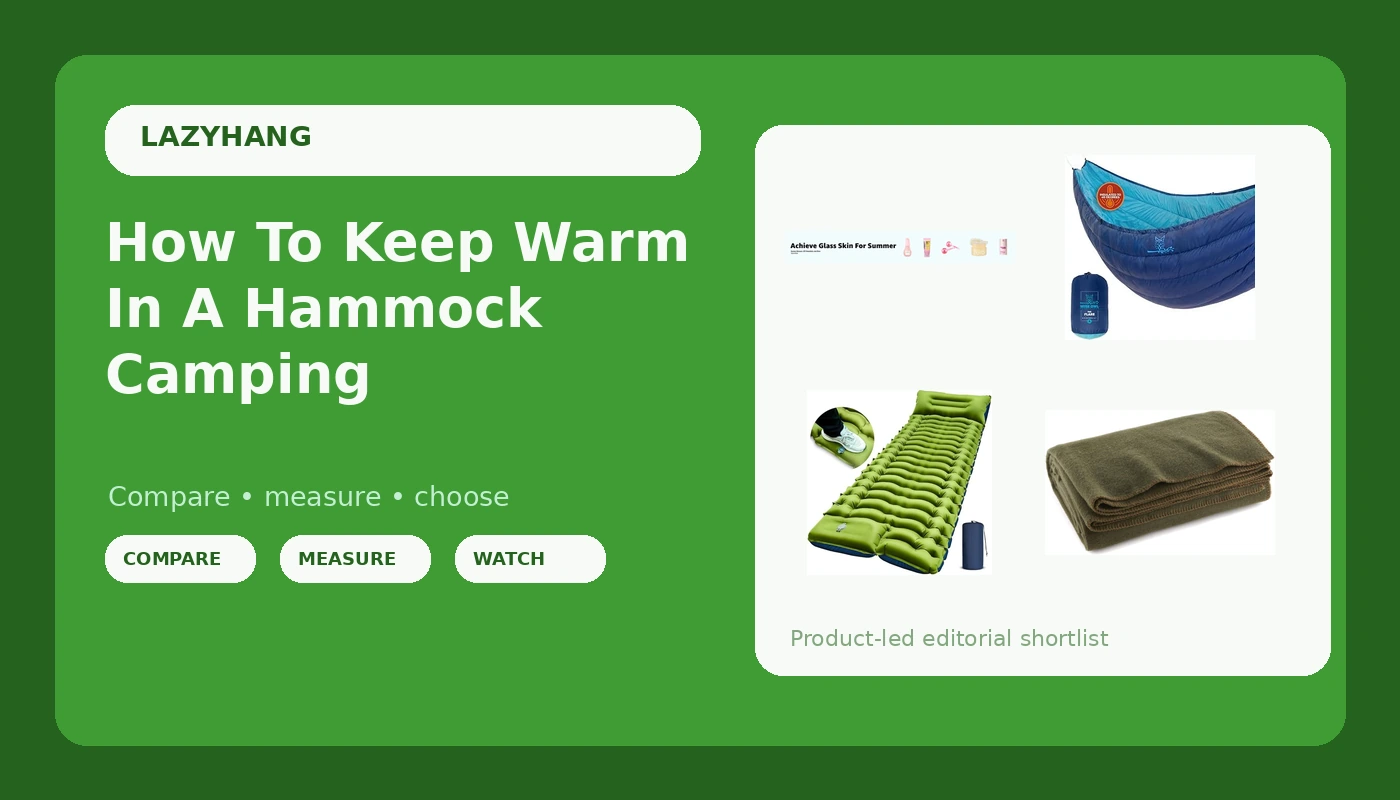
Chill Gorilla Hammock Underquilt. Lightweight Camping Quilt. Hammock Camping Accessories. Blue
Budget price, decent loft
Visit on Amazon →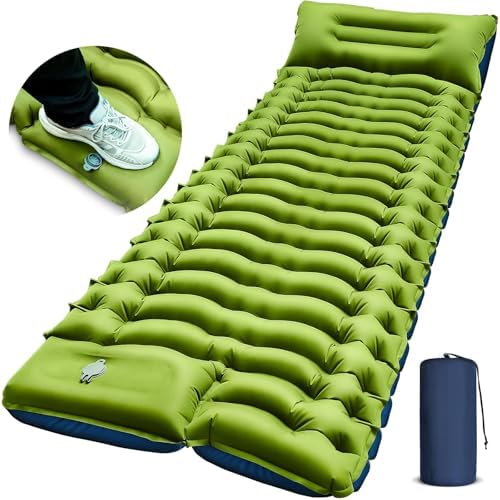
FUN PAC Camping Sleeping Pad, Ultralight Camping Mat with Pillow, Built-in Foot Pump Inflatable Sleeping Pads Compact for Camping Backpacking Hiking Traveling Tent,Single,Green
Cheap, works in a tent too
Visit on Amazon →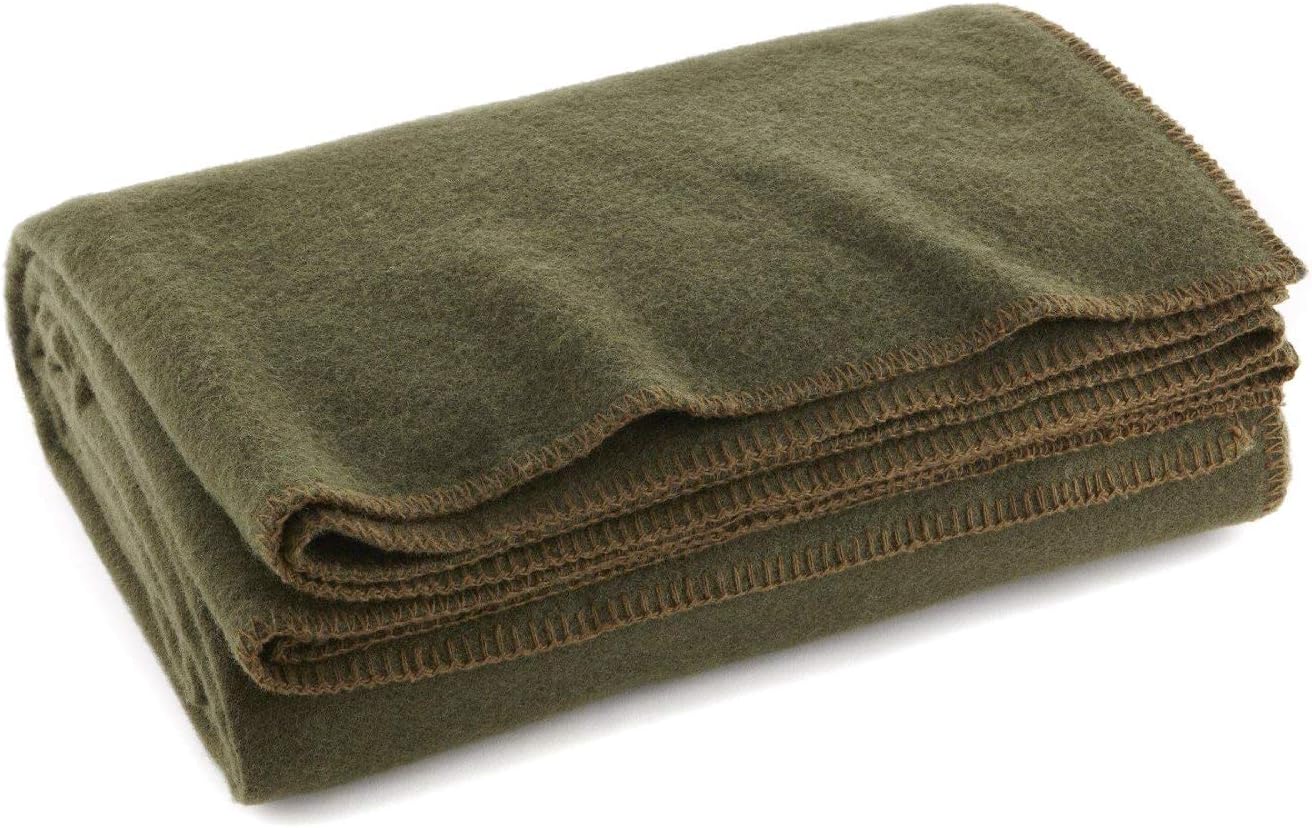
Olive Drab Green Warm Fire Retardant Blanket, 66" x 90" (80% Wool)-US Military Style
Dead simple, no setup
Visit on Amazon →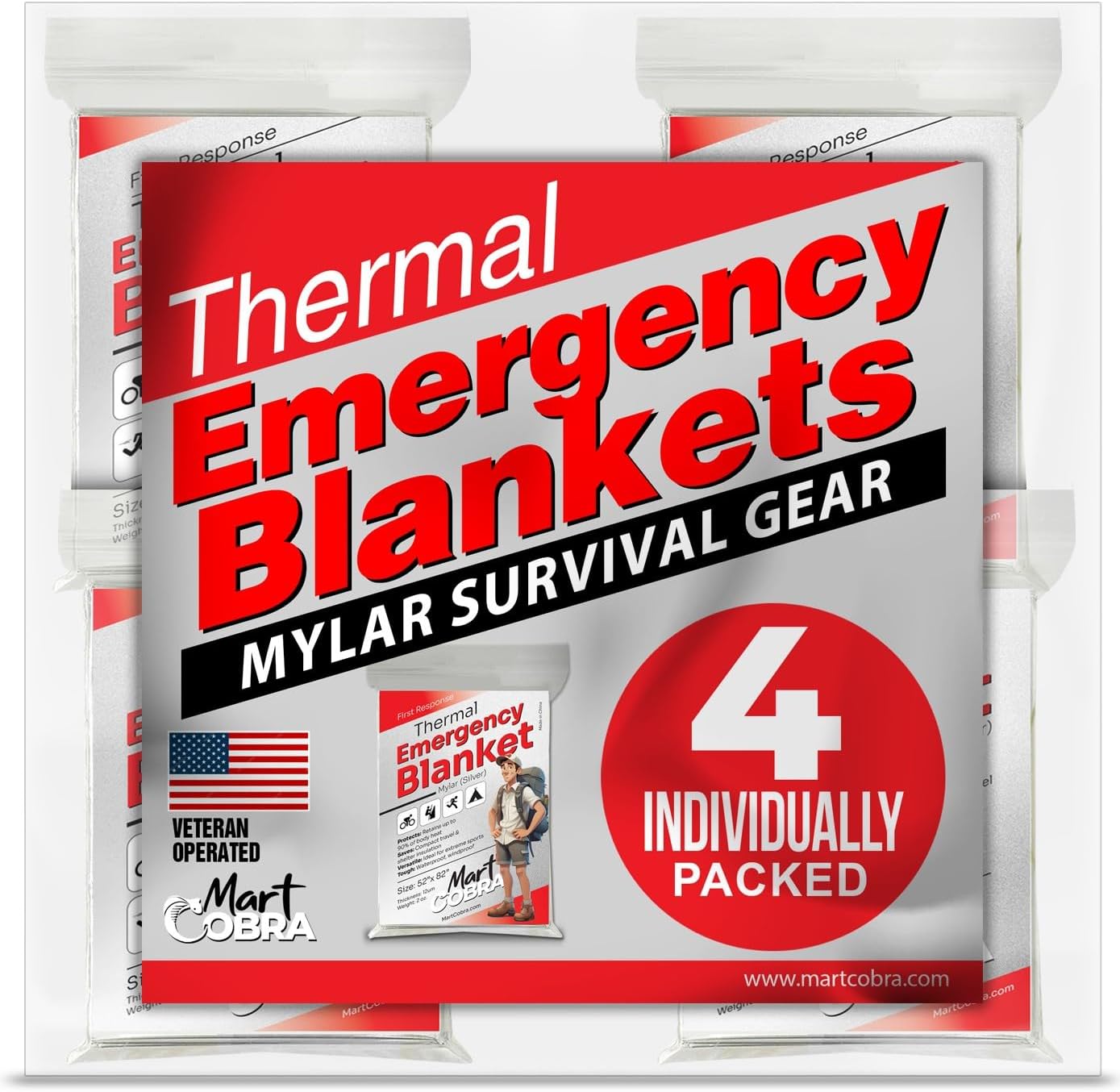 Visit on Amazon → Emergency Blanket | Check price | Weighs nothing, blocks wind | Crinkly, traps sweat |## How I Tested
My dog Juniper, a 45-pound border collie mix, has her own opinions about hammocks. She’s claimed the Kootek as hers. If she refuses to get in a new setup, that tells me something. For the warmth tests, I hung my hammocks between two oak trees in the backyard and slept out for a full weekend.
I did the 3 AM comfort test, which is the only test that matters. Any hammock feels great at 8 PM. The real question is how it feels when you wake up cold, slightly disoriented, and you have to decide if you’re going back to sleep.
I tested with the temperature dropping to 45 degrees, which isn’t extreme, but it’s enough to expose a bad setup. I also read through buyer reports from people who’ve used these in worse conditions. This isn’t a lab test. It’s a backyard test with a dog and a lot of trial and error.
The Biggest Mistake: Sleeping On Top of Insulation
Everyone starts by throwing a sleeping bag in the hammock and climbing in. That works for about an hour. Then you realize the bag is compressed underneath you, and the loft is gone. Your body weight flattens the insulation, and the cold seeps right through the fabric.
The hammock wraps around you like a cocoon, and the wind hits the bottom. I learned this the hard way on a fishing trip in the PNW.
I woke up at midnight, shivering, an inch from the ground because I hung too low. That’s when I started looking at underquilts.
What Actually Works: The Underquilt
The underquilt is the answer. It hangs underneath the hammock, outside, so it doesn’t get compressed. It traps a layer of still air between the hammock and the quilt. That’s the whole game. I’ve tested the OneTigris Underquilt for two summers now. It’s not the cheapest option, but it’s the one I keep reaching for.
The version I own is the standard size, and it fits my double hammock fine. It clips on with carabiners at the head and foot, and it cinches up at the ends to block drafts. The draft is the real killer.
If there’s a gap at the top or bottom, all the warm air escapes. The OneTigris has a drawstring that tightens around the hammock ends, and that makes a huge difference.
I’ve had nights where I woke up sweating because I over-insulated, which is a good problem to have.
The downside is the setup. It takes a minute to clip on, and if you get the tension wrong, it gaps. I’ve had it sag down and leave a cold spot right in the middle of my back. You have to fiddle with it until it’s snug. But once it’s right, it’s right. I’ve slept in 40-degree weather with just the underquilt and a light blanket on top. Comfortable.
If you’re on a tighter budget, the Chill Gorilla Underquilt is a decent alternative. It’s about ten bucks less, and the loft is fine. The straps are fiddly, and I had to re-tighten them once in the middle of the night. It’s not as polished as the OneTigris, but it does the job. I gave my old one to a friend who camps in the fall, and he’s still using it.
The Cheap Alternative: Closed-Cell Foam Pad
If you absolutely can’t afford an underquilt, a closed-cell foam pad is the old-school solution. It’s what we used before underquilts were common. You put it inside the hammock, underneath your sleeping bag.
It doesn’t compress, so it keeps the cold off your back. The downside is that it slides around. I’ve woken up with the pad bunched up under my knees and my back freezing.
You can solve this by getting a wide pad and tucking it around you, but it’s never perfect.
The upside is that it’s cheap, and it works in a tent too. I keep one in my car for emergencies. It’s not the cozy hammock experience, but it’s better than freezing. A 20-inch-wide pad is too narrow. Get one at least 25 inches wide. It’s a small difference, but it matters when you’re lying diagonally.
The Top Cover Problem
People ask me about top quilts, which are basically sleeping bags without a back. They’re great, but they’re expensive. I’ve tested a few, and they’re the premium option. If you’re just starting out, a regular sleeping bag works fine.
The trick is to unzip it and use it like a blanket. If you get inside it, you’ll compress the insulation under you, and you’ll have the same problem as before.
Use it as a top cover, and let the underquilt handle the bottom.
On warmer nights, a simple wool blanket is my go-to. It’s heavy and bulky, but it breathes, and it doesn’t trap sweat. I’ve got a surplus wool blanket that I’ve used for years. It’s not for backpacking, but for car camping and backyard hangs, it’s perfect. Just make sure it’s big enough to tuck around your shoulders. A smaller blanket will slide off in the night.
The Wind Factor
The underquilt handles the bottom, but the top is exposed. If there’s any breeze, it cuts right through the parachute nylon. The fabric is quite thin and lets the wind and light through. That’s a feature when it’s hot, and a curse when it’s cold. I’ve had nights where the temperature was fine, but the wind made it miserable.
The solution is a rain fly or a windbreak. I use a simple tarp, strung high enough to block the breeze but low enough to trap some heat. It doesn’t need to be fancy. A 10x10 tarp is plenty. The key is to angle it so the wind doesn’t hit the hammock directly.
If you’re in a pinch, an emergency blanket clipped to your ridgeline will do the same thing. It’s crinkly and it traps sweat, but it’s better than freezing.
The Bug Net Question
If you’re camping in bug country, and most of us are, you need a bug net. The top is exposed, and mosquitoes will find you. The underquilt doesn’t help with that. I’ve spent too many nights slapping mosquitoes to not mention this.
A bug net adds weight and bulk, but it’s worth it. I use a simple net that clips to the ridgeline and tucks around the hammock.
It’s not perfect, but it keeps the bugs off my face.
The downside is that a bug net can trap moisture. If you’re in a humid area, you’ll wake up damp. That’s a trade-off. I’d rather deal with a little condensation than get eaten alive.
What I Don’t Bother With
I don’t use a sleeping pad inside a hammock anymore. It’s too much of a hassle. I don’t use a top quilt unless I’m going on a serious winter trip. For most people, an underquilt and a regular sleeping bag is the sweet spot.
I also don’t bother with hammock socks, which are basically insulated covers that go over the whole hammock.
They work, but they’re expensive and hard to find. The underquilt does the same job for less money.
The Hang Height Warning
One more thing. Hang this higher than you think you should. There’s a lot of stretch once you put weight in it. I once hung one and was an inch from the ground by midnight. That’s a miserable way to wake up.
I aim for about 18 inches off the ground when I’m sitting in it. That gives you room for the underquilt and the sag.
If you’re hanging between trees, make sure the straps are wide and tree-safe. Rope will damage the bark, and it’s not as strong.
The Bottom Line
The best setup I’ve found is a Kootek hammock, the OneTigris underquilt, and a regular sleeping bag used as a blanket. That combo has gotten me through spring and fall camping trips. It’s not the lightest or the cheapest, but it works. If you’re on a strict budget, get a closed-cell foam pad and deal with the sliding. It’s better than freezing.
I don’t track prices day to day, so I won’t pretend to know next week’s deals. But the underquilt is worth the money. It’s the difference between a good night’s sleep and a miserable one. I’ve got five hammocks, and I’ve tested more than I can count. This is the setup that works. Get the underquilt, hang it right, and you’ll sleep warmer than you thought possible.