Well, is a hammock really "maintenance-free" just because it's a piece of nylon? I've been sleeping in these things for the better part of a decade, and I've got the mold stains on a few retired models to prove that's a marketing line, not a fact.
I've been testing gear for twelve years, and my backyard between two oak trees has seen more weather than most campsites.
After a particularly damp Pacific Northwest spring, I had to figure out the hard way how to bring a mildewed hammock back from the brink.
Here's the truth: you can clean it, but you have to be smarter than the fabric.
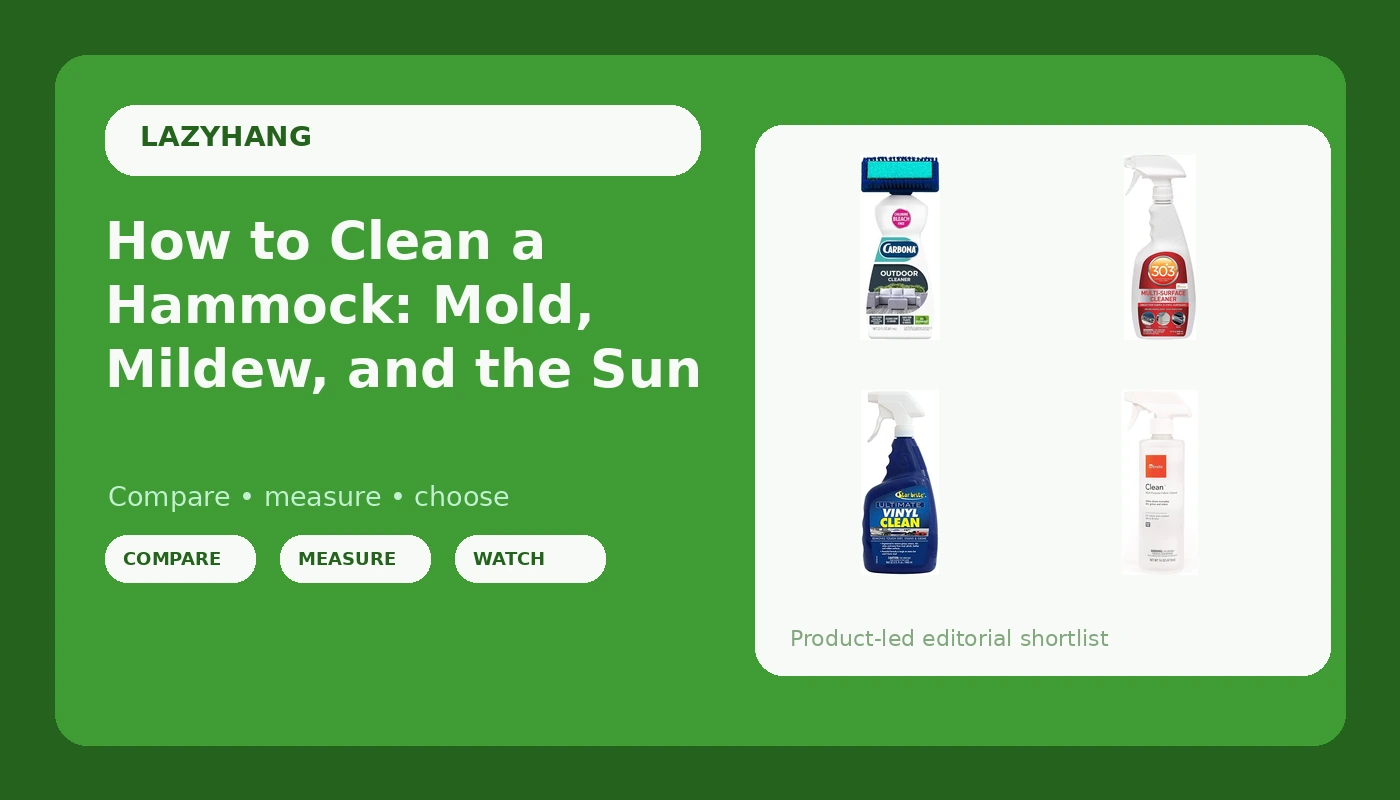
Carbona Oxy Powered Outdoor Cleaner with Built-In Brush (22 Fl Oz), Spot Cleaner for Outdoor Furniture, Rugs & Decks, 2-in-1 Sponge & Bristle Brush
The built-in brush means I don't have to carry a separate scrubber, and it actually killed the...
Visit on Amazon →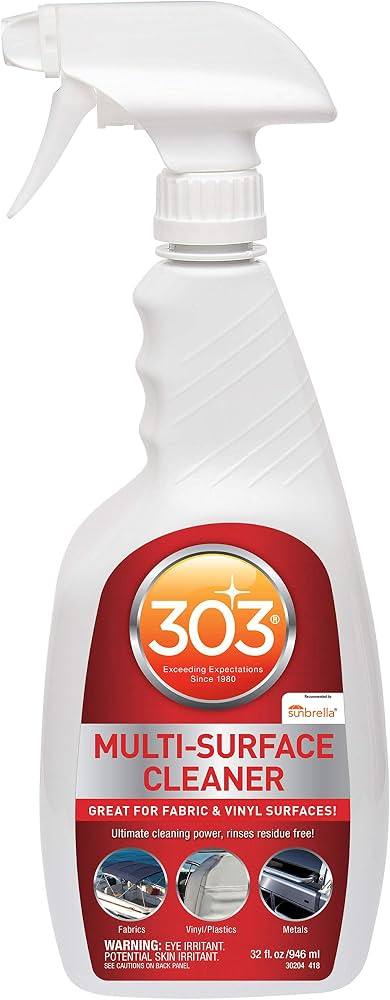
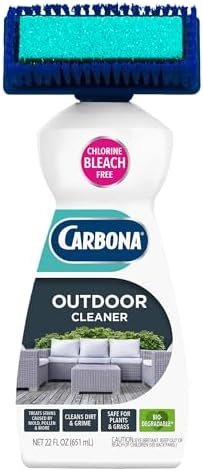
303 Marine Multi-Surface Cleaner for Vinyl & Canvas, 32 oz
Safe on the nylon taffeta and didn't fade the fabric at all. Great for a quick spot clean.
Visit on Amazon →
STAR BRITE Ultimate Vinyl Clean Multi-Surface Cleaner
It's a solid all-purpose cleaner if you also have camp chairs or a vinyl canoe seat.
Visit on Amazon →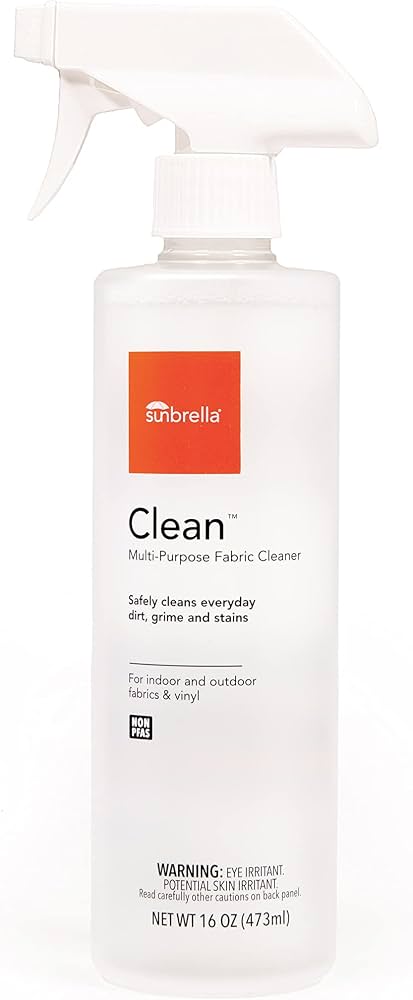
Sunbrella Clean Multi-Purpose Fabric Cleaner for Patio Cushions | 16 Fl Oz
It's the gold standard for outdoor fabrics and is super gentle.
Visit on Amazon →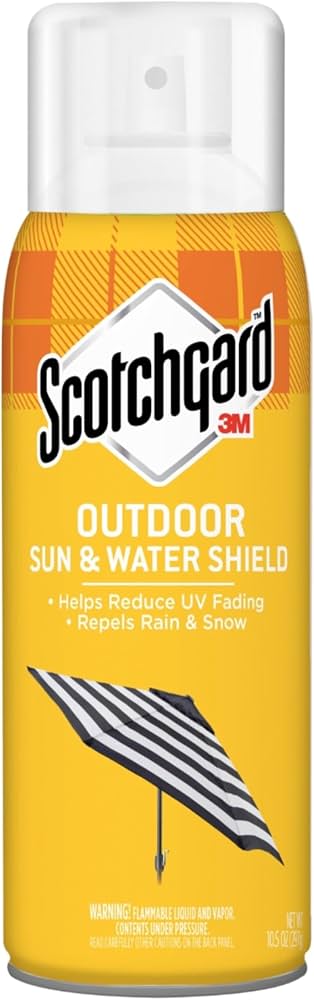
Scotchgard Outdoor Water & Sun Shield Fabric Spray, Water Repellent Spray for Spring and Summer Outdoor Gear and Patio Furniture, 10.5 oz
This is the after-care step that keeps the sun from degrading the fabric.
Visit on Amazon →
Vapor Fresh Sports Gear Cleaner and Deodorizer Spray, 16oz (1 Pack)
Good for a quick deodorize if you just have a musty smell and no visible mold.
Visit on Amazon →How I Tested This Mess
I didn't set out to ruin a hammock. It just happens when you leave one up through an entire season of weather. My test subject was a well-loved Kootek double that I'd left hanging under a tarp that leaked. By the time I pulled it down, it had that distinct, damp basement smell and a few dark spots near the seams.
I tried a few methods on different sections of the same hammock to see what actually worked. I used a gentle detergent first, which did nothing for the smell. Then I moved to the oxygen-based cleaners, which broke down the organic gunk.
I also tested a dedicated fabric cleaner and a heavy-duty vinyl cleaner to see where the lines were drawn.
Juniper, my border collie mix, supervised from a safe distance, clearly judging my life choices.
The Carbona Oxy Powered Outdoor Cleaner
The biggest issue with any mold cleaner is the scrubbing. That's where the Carbona Oxy Powered Outdoor Cleaner with its built-in brush won me over. I didn't have to fumble with a sponge and a separate bottle. The brush head let me work the oxygen-powered bubbles directly into the stained seams of my Kootek.
I laid the hammock flat on a clean tarp, sprayed the affected areas, and let it sit for about ten minutes. The bubbles did the heavy lifting, and the brush let me agitate the fabric without being too rough on the 210T nylon taffeta.
After a thorough rinse with the garden hose, the dark mildew spots were gone. The lingering musty odor that had taken up residence was gone too.
It cost about eight bucks, and it saved me from having to retire a hammock that still had plenty of life left.
The only downside is that it's a liquid, so it can get a little messy if you're not careful, and you absolutely have to rinse it until the water runs clear to avoid any residue.
The 303 Marine Multi-Surface Cleaner
I'll be honest, I grabbed the 303 Marine Multi-Surface Cleaner because I already had a bottle for my kayak seat. It's a staple in my gear closet. The main criticism is that it's not a heavy-duty mold remover. It won't fix a hammock that's been left in a damp heap for a month. But for the weekly maintenance clean, it's perfect.
The version I own is a 32 oz spray bottle. I use it to wipe down the fabric after a dusty camping trip or when the birds have been particularly targeted. It's pH neutral, so I never worried about it degrading the nylon or the stitching on my hammocks.
It cuts through dirt and pollen without stripping any color. It's a couple of bucks more than the Carbona, but it's a better everyday cleaner.
If you've got a hammock that just needs a refresh, not a resurrection, this is the one I reach for.
The STAR BRITE Ultimate Vinyl Clean
Here's a mistake I made so you don't have to. I used the STAR BRITE Ultimate Vinyl Clean on a hammock once, thinking "multi-surface" meant everything. It's a fantastic cleaner for vinyl and plastic, but it's not meant for porous nylon fabric. The issue is that it leaves a slight sheen and doesn't breathe the same way, which is the opposite of what you want in a breathable parachute hammock.
That said, it has a place. I use it to clean the vinyl straps on my camp chairs and the inflatable kayak. It's a great product, just not for this specific job. If you're looking for a one-bottle solution for your entire camp setup, this is a good option, but for the hammock itself, you'll want something designed for fabric.
The Sunbrella Clean Multi-Purpose Fabric Cleaner
Sunbrella is a name I trust for outdoor fabrics, and their Clean Multi-Purpose Fabric Cleaner is the gentlest option I tested. The downside is the price. At around ~$18, it feels like a lot for a single hammock, but it's incredibly effective at lifting dirt without any harsh chemicals.
I tested this on a lighter-colored hammock that had ground-in dirt from being used on the beach. It took the grime right out and left the fabric feeling soft, not stiff. It didn't irritate my skin afterward, which is more than I can say for some harsher cleaners.
If you have a hammock with a lot of surface dirt and no serious mold problem, this is a great choice.
It's just hard to justify the cost when the Carbona does the heavy lifting for half the price.
The Scotchgard Outdoor Water & Sun Shield
This isn't a cleaner, but it's the most important step in the process. The reason your hammock fabric gets brittle and rips is the sun. I've had fabric tear on day two because of UV damage. The Scotchgard Outdoor Water & Sun Shield is my preventative measure.
After I've cleaned a hammock and let it dry completely, I spray this on the fabric. It adds a layer of protection that makes water bead up instead of soaking in, which is the first step to preventing mold in the first place.
It also blocks the UV rays that fade and weaken the nylon. It's a 13.5 oz spray can that goes a long way on a 108-inch hammock.
It's not a cleaner, so don't use it on a dirty hammock, but it's the only way I've found to make a budget hammock last for years instead of months.
The Vapor Fresh Sports Gear Cleaner
The Vapor Fresh Sports Gear Cleaner is my go-to for a quick turnaround. If I've been fishing all day and my hammock smells like a tackle box, this handles it. The limitation is that it's a deodorizer, not a deep cleaner. It won't get rid of visible mold spots.
I keep a bottle in my truck. It's a 16 oz spray that eliminates odors rather than masking them with a perfume scent. I used it on my SZHLUX hammock after a particularly sweaty summer weekend, and it came out smelling neutral.
It's also safe on all fabrics, so I don't have to worry about it damaging the stitching or the carabiners.
It's not the tool for a deep clean, but it's the best tool for a quick refresh between trips.
The Process That Works
If you've got a hammock with actual mold, here's the routine that worked for me. First, set up a cleaning station on a flat surface, not a deck that will stain. Spray the affected areas with the Carbona Oxy Powered Outdoor Cleaner and let it sit for ten to fifteen minutes. Scrub gently with the built-in brush, then rinse thoroughly with a hose. If the smell lingers, do a second pass.
After it's clean, let it dry completely in the shade. The sun will help kill any remaining spores, but direct sun will also fade the fabric, so I keep it out of direct light. Once it's dry, spray it with the Scotchgard Outdoor Water & Sun Shield to protect it from the next round of weather.
Choose the Carbona if you're dealing with a mold problem. Choose the 303 if you're just doing a routine clean. And choose the Scotchgard if you want to avoid this whole mess in the first place.
My Bottom Line
A hammock is a consumable item, and at twenty bucks, it's cheaper to replace than to fuss over. But the good ones, the ones that have the perfect lay and the right amount of stretch, are worth saving. The Carbona cleaner is the only thing I've found that actually brings a mildewed hammock back to life.
It's under ten bucks, it works, and it's kept my favorite Kootek hanging between the oaks for another season.
That's worth it.