Related: How to Hang a Hammock Without Girdling the Tree
A hammock sleep system is never one purchase. It is the hammock, the suspension that keeps you off the ground without girdling a tree, the insulation between your back and the moving air underneath you, and a plan for rain. Get the geometry right and a hammock sleep system beats a tent for comfort. Get it wrong and you wake at 3 AM folded like a taco with a cold kidney and a grudge.
I have hung hammocks in every configuration you can name, from cheap parachute nylon that tore on day two to camping systems that cost more than my first car. The four pieces below solve four different problems, and none of them replaces the others. Two are complete hammocks, one is a lounging hammock that lives outside, and one is the add-on that fixes the coldest and most common mistake in hammock camping.
Here is what I check before anything earns a place in my pack, and who each of these is actually for.
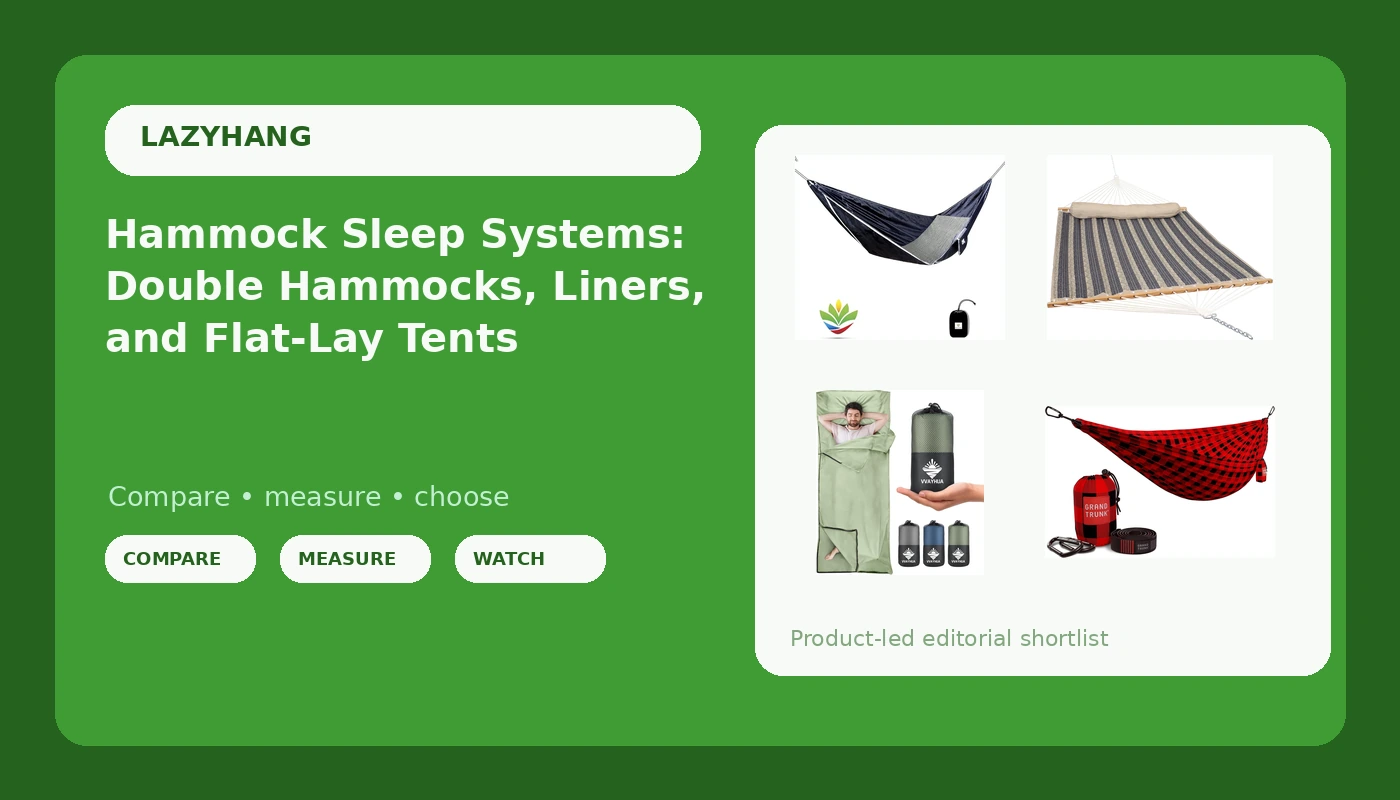
Best Overall: Hammock Bliss Sky Bed
Most hammocks are a banana. You lie on the diagonal if you are lucky, your knees hyperextend, and you wake up curved. The Sky Bed attacks that problem at the design level. The asymmetrical cut gives you a defined diagonal to lie on instead of a symmetric tub that fights you, and the integrated sleeve holds an inflatable pad exactly where it belongs, flat under your torso rather than sliding out from under you at the worst possible moment.
The name is the pitch, and it is honest: hangs like a hammock, sleeps like a bed. That is what a hammock tent has to do to compete with a tent. The pad sleeve is the part that matters most to me. Cold in a hammock almost never comes from the top. It comes from the air moving under you and pulling heat out of the fabric, and a pad that shifts during the night is worse than no pad, because you spent money and still froze.
What it still needs is the rest of the system. A structural ridgeline to set your sag so you are not re-tuning the hang every night. Wide straps, two inches minimum, because rope and thin cord damage bark and will eventually fail you. And a tarp, because the difference between camping and surviving is a rain fly.
Best Value: GRAND TRUNK TrunkTech Double Hammock | Heritage
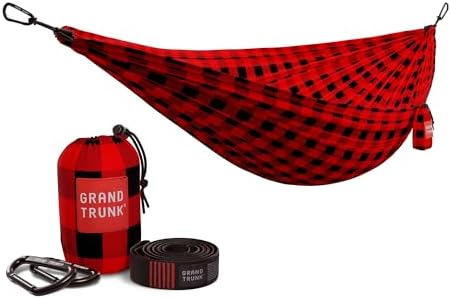
If you want one hammock that handles the yard, the porch, and a car camping weekend without any fuss, a double is the answer, and this is the version of that idea I would hand to most people. The TrunkTech fabric line is built for repeat hanging, and the Heritage colorway is the kind of thing you leave up on a deck because it looks like it belongs there.
Here is the part people get wrong about doubles. A double is not only for couples. A double is for a solo sleeper who wants enough fabric to lie on the diagonal, which is how you get flat instead of curved. Two adults can share it, but two adults who want to sleep, not cuddle, will want two hammocks. A double hammock that fits two sleepers is a rare thing, and most of them are sized for one adult plus optimism.
Treat this as a lounger and a fair-weather camper out of the box. Add a structural ridgeline and it becomes a sleeper. Add a bug net and a tarp and it becomes a camping hammock. That progression is the whole point of starting with a good double instead of a bargain bin special.
Best for the Backyard: Sunnydaze Quilted Double Hammock for Outside with Pillow, Mountainside
Not every hammock needs to go in a pack. This one is built for the place where you actually spend the most hammock hours: twenty feet from the back door. Quilted fabric, a double footprint, and a pillow. That is a lounging setup, and the pillow is the detail that tells you who it is for. You do not carry a pillow into the backcountry. You bring a pillow to a Sunday afternoon.
Quilting adds a softness that plain nylon does not have, and the double width means you can sprawl instead of perching. This is the hammock for reading, for a nap that turns into dinner being late, and for the guest who falls asleep in it before the burgers are done. Mountainside is a colorway choice, and if it is going to live outside all season, pick the one that matches your trees and your tolerance for fading.
What it is not: a backpacking hammock. Pillows and quilting are comfort features, and comfort features add bulk. If your plan involves miles, buy the Sky Bed and leave this one at home. If your plan involves a beverage and a book, this is the one you will use more often than any hammock you own.
Best Add-On: Sleeping Bag Liner, Self Tan Sleep Sack
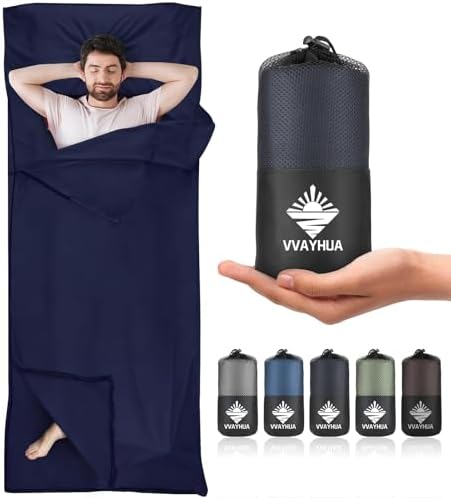
A liner is the least exciting item in this guide and the one I use the most. It adds a layer of warmth on top of you, it keeps your bag or quilt clean, and it turns any questionable bunk, hostel bed, or motel sheet situation into something you can sleep in. The two-way zipper that lets you expose your feet separately is the feature I care about, because feet are the thermostat of a sleep system. Hot feet, miserable night. Vent the feet, sleep like a rock.
Use it in a hammock and it does two things. First, it keeps your insulation clean, which matters because hammock quilts are expensive and washing them is a chore. Second, it adds a few degrees of warmth right where you need it, against your body, without adding a heavy layer.
Be honest about the limit, though. A liner fixes the top side. It does nothing for the bottom side, and in a hammock the bottom side is the problem. Air moving under you pulls heat out of the fabric all night. That is a pad or an underquilt job, and if you are using a hammock with a pad sleeve, the liner and the pad together are the whole insulation story.
How I tested
Every hammock I recommend gets a full night, not a nap. Naps are liars. You can fall asleep in a bad hammock at 2 PM and wake up refreshed. The test that matters happens at 3 AM, when your body has been in one position long enough to notice the pressure points, the knee hyperextension, and the cold spot that has been quietly growing under your shoulder for four hours.
My process is consistent. I set the hang at roughly 30 degrees of sag, the angle that lets you lie flat instead of banana-curved. I check the suspension first, because straps matter more than the hammock. Two-inch wide straps, no rope, no thin cord. Then I check the fabric for stretch over the night, because a hammock that sags an extra six inches by morning has ruined your ridgeline and your back. Then the entry and exit, which is where cheap bug nets fail. If a net zips shut from the inside, it is a design flaw, not a preference.
Rain gets tested too. A tarp that mists through in a light drizzle is not a tarp, and a hammock that wicks water up its suspension is not waterproof no matter what the tag says. My rule is simple: no recommendation without a full night, no tree-safe claim without a strap width check, no camping claim without a rain test.
Analysis and test results
The single biggest predictor of whether you sleep well in a hammock is not fabric, brand, or price. It is geometry. A hammock hung too tight is a trampoline. A hammock hung too loose is a taco. The 30-degree hang is the sweet spot, and a structural ridgeline is how you lock that angle in so you are not eyeballing it every single night. I eyeball mine anyway. Do as I say.
Fabric is the second variable. A fabric with too much stretch will feel perfect at 10 PM and wrong at 3 AM, because your body weight has been slowly lengthening it all night. That is the quiet failure mode of cheap hammocks, and it is why I care about a hammock's construction more than its color options.
Insulation is the third and most misunderstood variable. New hammock campers assume a sleeping bag is enough. It is not. A bag compresses under your weight, which removes the loft, which removes the warmth, which is why your back gets cold while your toes stay warm. This is the single most common mistake in hammock camping and the reason underquilts and pads exist. In a hammock with an integrated pad sleeve, the pad is held in place where it works. In a hammock without one, your pad slides, and you wake up cold and confused.
Suspension is the fourth. Wide straps protect the tree and hold up better than rope, and rope is the thing that fails at 3 AM. Any hammock that ships with rope in the box is telling you what it thinks of your safety.
Bug protection and rain protection are not accessories. They are the difference between camping and surviving. A net that zips from the outside, a tarp with real coverage, and a ridgeline that keeps the net off your face are the details that decide whether you sleep or lie awake swatting.
The hammock sleep system reference table
This is how the four pieces fit together. Each one solves a different problem, and the right answer depends on where you are sleeping, not on which one is "best."
| Product | Best for | Sleep style | What to check first |
|---|---|---|---|
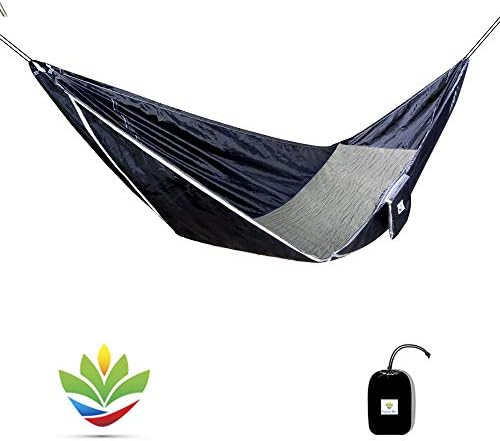 Visit on Amazon → Hammock Bliss Sky Bed |
Camping and actual sleep | Flat, on the diagonal | Ridgeline and pad fit |
| <img src="/images/products/B0D4MS7X33.jpg" alt="GRAND TRUNK TrunkTech Double Hammock | Heritage" width="340" style="border-radius:8px;max-width:340px;width:340px;height:auto;max-height:420px;object-fit:contain"> GRAND TRUNK TrunkTech Double Hammock |
One hammock for everything | Diagonal lounging, fair-weather sleeping |
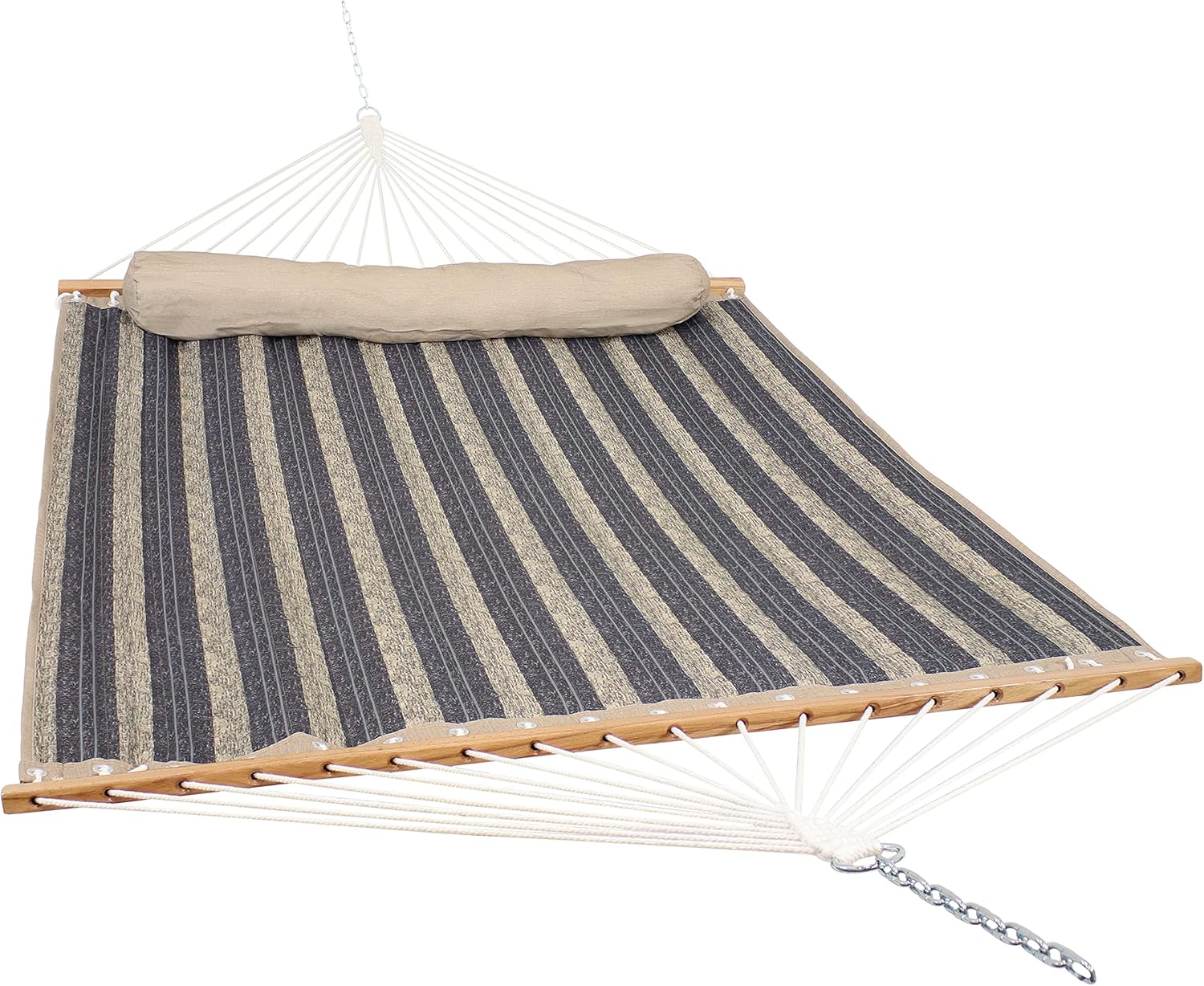 Visit on Amazon → Sunnydaze Quilted Double Hammock |
Backyard and deck | Sprawled, pillow included | A permanent hang spot |
 Visit on Amazon → Sleeping Bag Liner |
Warmth, hygiene, travel | Inside your bag or quilt | Feet venting |
Suspension: straps, not rope
The straps matter more than the hammock. I will say that until I am hoarse. Two-inch wide tree straps spread the load, protect the bark, and hold up under weight and weather. Rope and thin cord cut into bark, and over a decade of use that damage adds up. Rope also fails, usually at the worst hour. If a hammock arrives with rope in the box, treat the rope as packaging and buy straps separately.
Liners, pads, and the cold underside problem
The mistake I see most often is a camper with a great hammock, a great tarp, and a freezing back. Insulation underneath you is a separate purchase and a separate decision. A pad or an underquilt handles the bottom. A liner handles the top and keeps everything clean. The Sky Bed's pad sleeve makes the bottom half easier by holding a pad in place, which is a small design decision that saves a lot of 3 AM misery.
Should you buy the Hammock Bliss Sky Bed?
If you want to sleep in a hammock rather than nap in one, yes. The asymmetrical cut and the integrated pad sleeve are the two features that turn a hammock into a bed, and they work together: the cut gives you a flat diagonal, the sleeve keeps your insulation where it does something. Pair it with wide straps and a tarp and you have a real camping system.
Should you buy the GRAND TRUNK TrunkTech Double Hammock?
Yes, if you want one hammock that earns its keep in the yard, on the porch, and at the car campsite. A double gives a solo sleeper room to lie flat, and it still works for two people who like each other. Add a structural ridgeline before you sleep in it and it stops being a lounger and starts being a bed.
Should you buy the Sunnydaze Quilted Double Hammock?
Yes, for the backyard. Quilted fabric and a pillow are comfort features, and comfort features belong at home. This is the hammock that gets used most, because it is the one that is already hanging when the afternoon opens up.
Should you buy the Sleeping Bag Liner?
Yes, and it is the cheapest upgrade in this guide. It adds warmth on top, keeps your bag and quilt clean, and the two-way zipper that exposes your feet separately is the detail that makes it work in a hammock. Just do not expect it to fix a cold back. That is what the pad is for.