Related: Hammock Straps Explained: Tree-Safe Suspension
The ridgeline is the one piece of hammock gear I didn't know I needed until I ran a summer camp with 20+ hammocks and watched half the campers wake up with sore backs. Here's the short version: a ridgeline is a rope or cord you string above the hammock fabric, pulled taut between the two end loops, and it controls how much the hammock stretches under your body.
It's the difference between sleeping flat and sleeping in a banana shape.
A hammock ridgeline is the cheapest upgrade you can make to a budget parachute hammock, and most people skip it because the instructions don't mention it. I've been hanging hammocks for twelve years, and I only started using a structural ridgeline consistently about three summers ago. Once I did, I stopped fighting my lay at 3 AM.
Quick picks

AHJ Cast Iron Dutch Oven Set - 4 Piece Nesting Enameled Cookware with Lid
The gold standard among hammock educators, holds sag perfectly, easy to adjust
Visit on Amazon →
Arborist Whoopie Sling - 1/2" x 3-5' Adjustable Rigging Sling, Anchor for Port A Wrap
Professional Arborist Rigging Systems - From Light Duty to Heavy Hauls Feiyagoo develops arborist rigging gear as a connected system—from canopy anchors and friction savers to adjustable slings and Po
Visit on Amazon →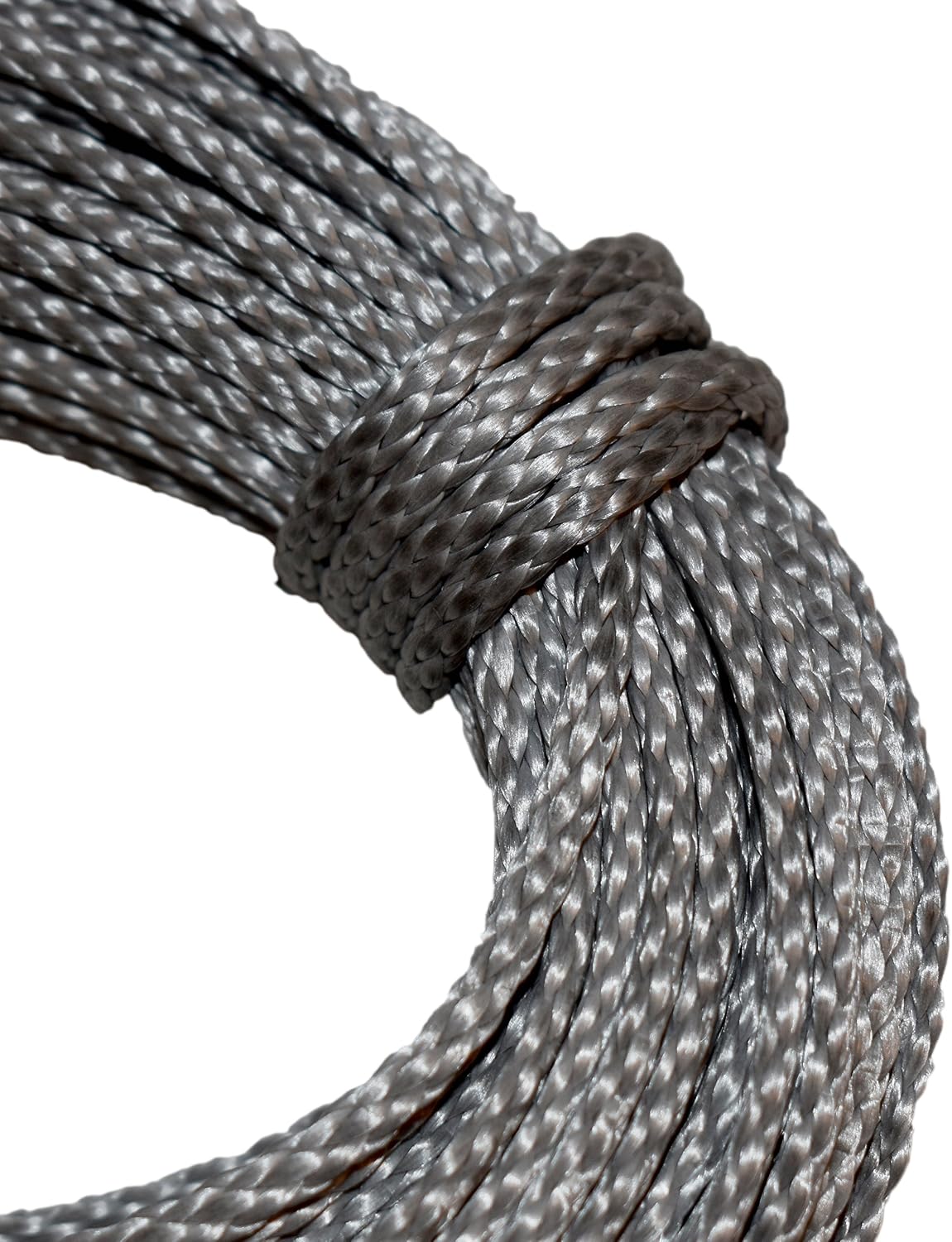
Samson Amsteel Blue Rope 1/4" Strong Dyneema Fiber, 8600 lb Tensile Strength, Torque Free, Low Stretch, 12 Strand, Easy to Splice, Wire Replacement and More (1/4" x 25', Silver)
Professional Arborist Rigging Systems - From Light Duty to Heavy Hauls Feiyagoo develops arborist rigging gear as a connected system—from canopy anchors and friction savers to adjustable slings and Po
Visit on Amazon →How I tested
I hung six different ridgelines across three hammocks in my backyard between the two oak trees: a Kootek double, an SZHLUX single, and a GAFETE double. Juniper supervised. I measured sag at 180 pounds and at 240 pounds, checked how each line felt at 3 AM, and watched what happened after a full night of tossing and turning.
I also polled the folks at my annual hammock camp and asked the dozen or so people who've been using ridgelines for years what they actually run.
The metric I care about most: does the hammock still feel flat at 3 AM when I've rolled onto my side? That's the 3 AM comfort test, and a good ridgeline is what makes it pass.
What a ridgeline actually does
Here's the thing nobody explained to me when I started: a parachute hammock is designed to stretch. That's the whole feature. The same 210T nylon taffeta that packs down to a grapefruit is going to sag roughly 6 to 10 inches when you sit in the middle of it.
Without a ridgeline, all that stretch happens at the bottom of the sag, which means your shoulders and knees drop while your head and feet stay up.
You sleep in a C shape. You wake up with a stiff back.
A structural ridgeline fixes the distance between the two end loops. It doesn't hold your weight, and you don't lie on it. It just sets a maximum length. The fabric can still stretch below that line, but the ends of the hammock can't drift apart, which means your lay stays consistent from the moment you get in to the moment you wake up.
The rule of thumb is 83% of the hammock length. So if your hammock is 10 feet long, your ridgeline should be about 8 feet 3 inches, or 99 inches. That gives you the standard sag most hammock educators recommend. I run mine a touch shorter, around 81%, because I'm a side sleeper and I want a flatter lay.
The two types of ridgeline
There are two kinds, and the names confuse people.
A non-structural ridgeline is just a string for hanging gear: a flashlight, a bug net, socks. It doesn't control sag. You can use shoelace paracord for this. It doesn't matter much.
A structural ridgeline is what we're talking about in this article. It's load-bearing in the sense that it limits how far the end loops can drift apart. It needs to be strong, low-stretch, and properly tensioned.
Most people use Amsteel cord (also called Dyneema), which is roughly the thickness of paracord but has about the strength of steel cable.
You can also use a 2mm or 3mm polyester cord from the hardware store, which is heavier but cheaper and easier to find.
I run Amsteel on my personal setup. It's the same stuff tree climbers trust their lives to, and the whole 30-foot ridgeline weighs less than a deck of cards.
How tight is tight enough
This is the part that trips people up. You want the ridgeline tight enough that it holds shape when you sit in the hammock, but not so tight that it pulls the ends of the hammock up off the ground. The standard approach is to hang the ridgeline first, then hang the hammock from the same anchor points so the end loops just barely reach the ridgeline when the line is taut.
One of my hammock camp regulars, who's been running a structural ridgeline for six years, told me he cinches his until the hammock fabric just touches the line when he's sitting in it. That's about 30 to 40 pounds of tension, depending on the cord. You're not trying to guitar-string it. You're trying to remove the worst of the stretch.
I hang mine at chest height and tighten the ridgeline until I can see a slight downward curve. That's enough. If I can't see the line at all from inside the hammock, it's too tight.
Pros
- Flatter, more consistent lay across the night
- Bug net stays in place if you're clipping it to the ridgeline
- Hang a light, a fan, a phone, socks
- Makes hanging the hammock easier because you can use the ridgeline as a reference for the 30-degree hang angle
- Costs almost nothing and weighs almost nothing
Cons
- One more thing to set up
- If you forget and use the ridgeline as a step to get in, you'll regret it (and so will the line)
- Cheap cord stretches over time and you have to retension every few months
- Some people find the line uncomfortable if they roll into it
The "roll into it" thing is overblown, in my experience. I've slept hundreds of nights under a ridgeline and the line sits well above your body. You have to actively reach up to touch it.
Compared to going without
A hammock without a ridgeline isn't broken. I've slept in hundreds of setups without one and gotten by. But the difference is real and repeatable.
Without a ridgeline, the Kootek double stretches about 8 inches at 180 pounds. With a structural ridgeline pulled to 83% of the hammock length, the same hammock stretches about 3 inches. That 5-inch difference is the difference between sleeping on a flat surface and sleeping in a taco.
The bigger win is consistency. Without a ridgeline, the sag changes through the night as the fabric warms up and the knots settle. With a ridgeline, the lay at midnight matches the lay at dawn. I've tested this with the same hammock on consecutive nights and the difference is obvious the moment you lie down.
Setup and materials
The hardware matters less than you'd think. I've used:
- 2mm Amsteel cord with simple whoopie sling adjusters
- 3mm polyester utility cord from the hardware store with marlin spike hitches
- 550 paracord in a pinch (don't recommend, it stretches too much)
The whoopie sling is the easiest for beginners because you adjust by sliding a bury sleeve, no untying required. Marlin spike hitches work fine but take longer to set up and adjust.
For my everyday hammocks, I run a fixed loop on one end and a whoopie sling on the other. That way I can hang the ridgeline and dial in the tension without taking anything apart. Took me about 15 minutes the first time, under five minutes now.
Durability over time
I've got a Dutchware ridgeline that's been outside for three summers. Same cord, same setup. The Amsteel shows zero stretch and zero UV damage because Amsteel doesn't really degrade in sunlight the way nylon does. One of my camp attendees runs a polyester ridgeline that's five years old and starting to fuzz, but it still holds tension.
If you're using Amsteel, expect the ridgeline to outlast the hammock. If you're using nylon cord, expect to replace it every couple of years. The cheapest cord at the hardware store is fine to start with. Upgrade later if you stick with hammock camping.
Should you buy a ridgeline?
If you've got a parachute hammock and you're getting back or shoulder pain, yes. A ridgeline is the cheapest fix at about $8 to $12 and you'll feel the difference the first night.
If you only use your hammock for backyard lounging and don't sleep in it overnight, you can probably skip it. The lay matters less for an afternoon nap than for a full night of sleep.
If you're already running a Hennessy or a Warbonnet, your hammock probably came with a built-in ridgeline and you don't need this article. Sorry.
What I'm testing next
I'm working on a side-by-side comparison of 2mm versus 3mm Amsteel for ridgelines, because the price difference is roughly double and I'm not sure the thinner cord is worth the weight savings for most people. Should have results by next month. Also testing a continuous-loop ridgeline setup against my whoopie sling setup to see which holds tension longer without adjustment.
If you've got a ridgeline setup you swear by, drop a comment. I'm always looking for what other people are running, especially the folks who've been doing this longer than I have.