I have hung more hammocks in a single summer than most people hang in a decade. Twelve years of reviewing camping gear and running a hammock camp in the North Carolina mountains taught me one thing no product page will tell you: the hammock is only about a third of the system. A real hammock camping setup is a hammock, a way to hang it that does not wreck the trees, a bug net for the months when the mosquitoes are worse than the heat, and a rain fly for the nights that go sideways at 3 AM.
The four pieces below are the ones people email me about most, and they are not four versions of the same thing. One is a 12ft two-person hammock with a hardwood spreader bar, one is a mosquito net, one is an inflatable lounger that Amazon files under air hammock, and one is a 1400 lb hanging kit. Comparing them is really a question of what your setup is missing, and that answer changes depending on whether you sleep in the woods or nap on a porch.
Related: Hammock Straps vs Rope: Why Width Matters More Than Brand
For most people building a hammock camping setup in 2026, the bug net is the piece that changes the most nights, and the hanging kit is the cheapest upgrade that makes everything else safer. The 12ft spreader bar hammock is the best of the four for a porch or a yard, and the inflatable lounger is the one I would leave at home unless the trip involves a festival, a lawn, or a movie screen.
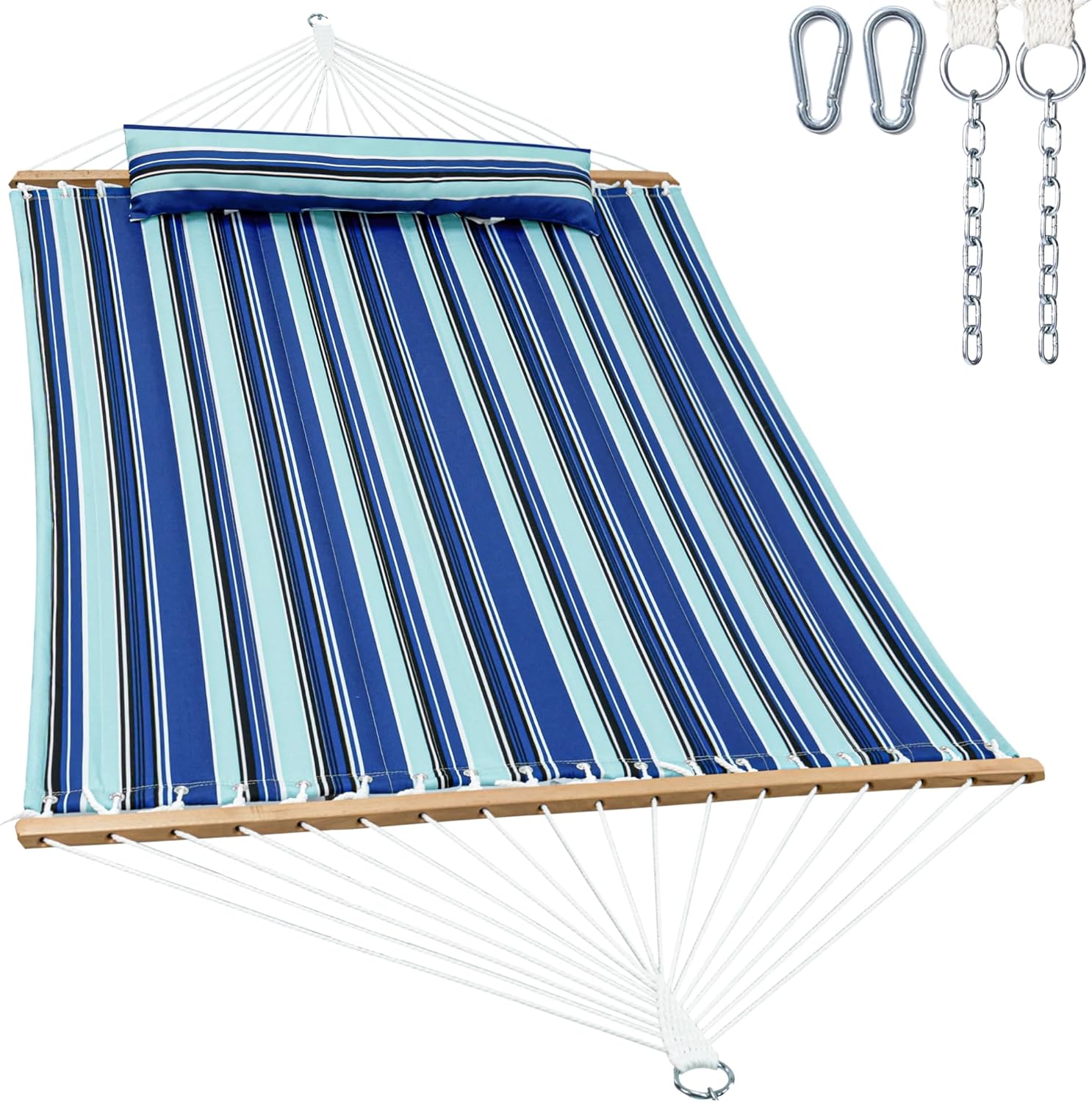
GAFETE 12ft 2 Person Hammock for Outside with Hardwood Spreader Bar
Spreader bars hold the bed open so you get a flatter lay and a seat-like edge; hardwood bars look good on a porch
Bars need a wide hang and a serious anchor, and the open design has no bug protection at all
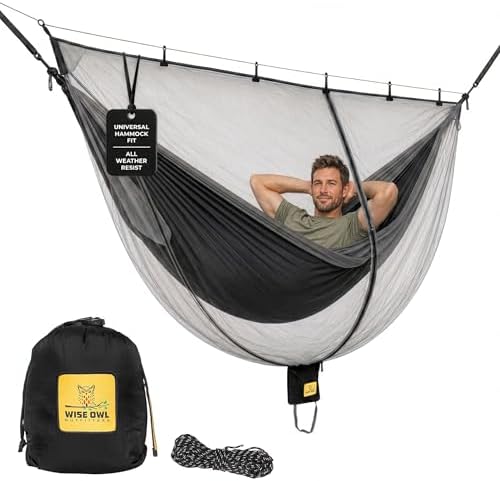
Wise Owl Outfitters Hammock Bug Net, Mosquito Net for Hammock, Lightweight Bug Netting for Camping, Hiking, Backpacking, Forest & Outdoor Use
Fine mesh, light enough to carry, packs down small, fits most gathered-end hammocks
It is a net, not a sleep system; you still need a hammock, straps, and a tarp
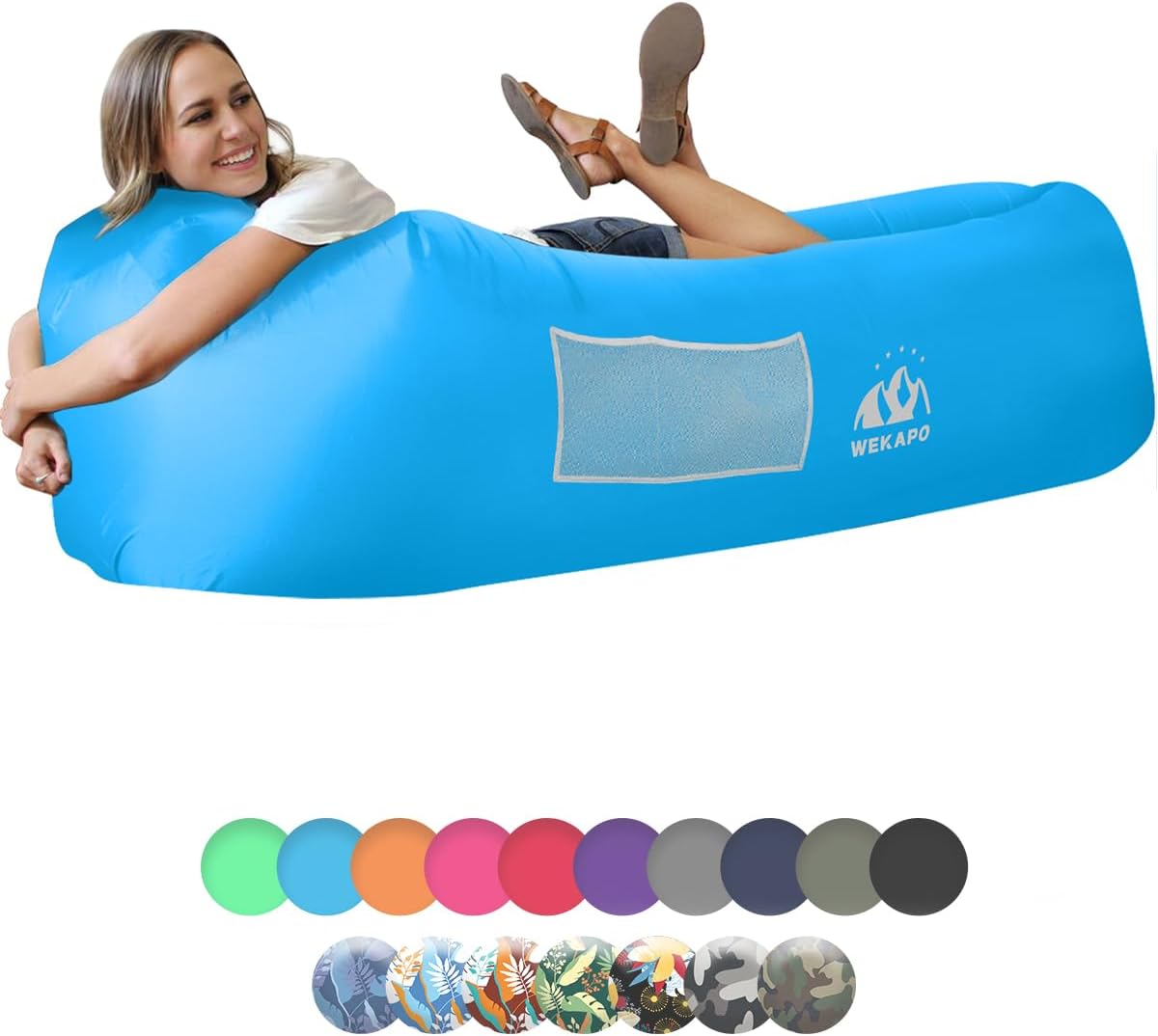
WEKAPO Inflatable Couch Air Lounger Chair - Camping & Beach Accessories, Portable Blow up Sofa for Hiking, Lawn, Indoor/Outdoor Movies & Music Festivals. Lightweight and Easy to Set Up Air Hammock
Cheap comfort with no trees required; easy to set up and easy to move around a lawn or campsite
Not a hammock, no flat lay for sleeping, and wind and punctures are real risks
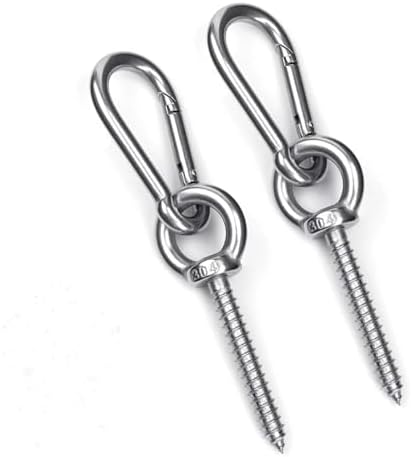
Hammock Hanging Kit, Load Capacity 1400 LBS, Stainless Steel Hooks Heavy Duty Carabiner Set for Hammock Yoga Swing Chair Hook for Indoor, Outdoor, Wall, Trees, Porch
Stainless hardware rated to 1400 lbs opens up walls, porches, and ceilings, not just trees
Hardware is not suspension; it does not replace wide tree straps, and bad anchors still fail
Prices and availability were captured from Amazon Creators API and may change.
How I judge a setup like this
My test for any hanging gear is simple and a little brutal: does it sleep flat at a 30-degree hang, are the connection points wide and tree-safe, does the fabric stretch out overnight, and would I trust it at 3 AM in the rain. That is the whole checklist. Everything else is marketing.
I want to be straight with you here. I have not spent a full night in every one of these four pieces, and I will not pretend otherwise. What I can do is tell you exactly what each one is for, what it does not do, and where the cheap version of it fails. That is more useful than a fake field report.
The pattern I see over and over is that people buy the hammock first and the suspension last. That is backwards. Rope in the box is a warning sign, not a bonus. Two-inch straps and rated hardware are what keep you off the ground and keep the bark on the tree.
The 12ft spreader bar hammock: a different geometry
A spreader bar hammock is not just a wider hammock. The bars hold the bed open, which means you are not fighting fabric that wraps around your shoulders, and you get a flatter lay and a seat-like edge you can sit on sideways. At 12 feet with a hardwood bar, this is the version of a hammock that lives on a porch, between two yard trees, or on a deck where people actually gather.
The catch is that spreader bars change the physics. You need more distance between anchors, the bars put leverage on the suspension, and a weak anchor that would survive a gathered-end hammock can fail here. If you hang this on a porch, the posts need to be real posts. If you hang it between trees, the trees need to be big.
Two-person is also doing some work in that product name. A 12ft bed gives two adults room to sit and talk, and room for one person to sleep genuinely flat. Two adults sleeping through the night in the same hammock is a decision about affection, not about comfort. I say that as someone who owns two doubles and makes fun of doubles.
The bug net: the difference between camping and surviving
Here is my honest position on bug nets. They are not accessories. From late spring through early fall in the Southeast, a hammock without a net is a mosquito feeding station with a view. The Wise Owl net is the piece on this list that turns a backyard nap into an actual overnight.
A separate net like this one works over a gathered-end hammock, and it needs two things to work well. First, a structural ridgeline: the cord that sets your sag and holds the net up off your face. Without a ridgeline, the mesh drapes onto your nose all night and you will hate it by 2 AM. Second, a zipper orientation you can actually reach. My least favorite design in this category is a net that only opens from inside, because it means climbing in through a gap or unzipping blind.
What it is not is a complete camping setup. You still need the hammock, the straps, and a tarp. Buy this expecting to solve mosquitoes, not weather. If you already own a hammock you like, this is the highest-value addition on the list.
The air lounger: comfortable, and not a hammock
The WEKAPO is an inflatable couch. It is not a hammock, it will not give you a flat lay, and it is not part of a backpacking sleep system. I am telling you that up front because the listing puts "air hammock" in the name and people buy it expecting a hammock.
What it is good at: no trees, no hardware, no knots. You scoop air, roll it shut, and you have a seat on a lawn, at a festival, beside a movie screen, or in a campsite where the only trees are saplings. It is light, it is easy to set up, and it costs about the same as the bug net. For a family afternoon or a music weekend, that is a real win.
The failure modes are equally real. Wind turns it into a kite. Sharp ground and campfire sparks turn it into a patch kit project. And it is a chair you lounge on, not a bed you sleep in. If you want to nap in a yard with no trees, great. If you want to camp, keep reading.
The hanging kit: hardware is not suspension
This kit is the unglamorous one, and it is the one that makes indoor and porch hanging possible. Stainless steel hooks and heavy duty carabiners rated to 1400 lbs open up options that trees cannot: a wall, a ceiling joist, a porch post, a swing frame. If you live somewhere without two good trees, hardware like this is the difference between owning a hammock and using one.
Two warnings, and I will not soften them. First, a 1400 lb rating is only as strong as the anchor you attach it to. A rated carabiner screwed into drywall with a plastic anchor is a rated carabiner holding nothing. Find a stud, a joist, or a structural post, or do not hang. Second, hardware is not tree protection. If you plan to hang from trees, you still need wide straps, because thin cord and rope girdle bark and kill the cambium layer. That is not a philosophical point, it is what a ranger showed me after a decade of use on the same trees.
Where this kit earns its place is indoors and on structures. Where it does not is as a substitute for straps in the woods.
The geometry problem underneath all of it
None of these four products fixes a bad hang. Sag is the thing that decides whether you sleep or just lie there. Around 30 degrees is the sweet spot: hang too tight and you get a banana curve and shoulder squeeze, hang too loose and you sink into a fabric taco. A structural ridgeline locks that angle in so you get the same hang every time, which matters more than fabric quality once you are past the cheap stuff.
Spreader bars change that math, which is why the 12ft hammock behaves differently from everything else here. The net only matters once your hang is right, because a net draped on your face is a net you will take down at midnight. The lounger sidesteps geometry entirely, which is exactly why it is comfortable and exactly why it is not a camping answer.
The hanging kit is the only piece that touches the geometry at both ends: it changes your anchor points and your hang angle at the same time. That is why I care about rated hardware and wide straps more than I care about color options.
Matching the piece to the trip
Backpacking or an overnight in the woods: bug net, plus a hammock, wide straps, a tarp, and a ridgeline. The net is the piece you buy here.
Porch, deck, or yard with two solid trees: the 12ft spreader bar hammock. It is the most comfortable thing on this list to sit in and the easiest to share.
Festival, beach day, lawn, or a campsite with no usable trees: the inflatable lounger. No setup skill required, no trees required.
Apartment, basement, or a porch with no trees: the hanging kit, plus a hammock and a plan for finding studs. This is the kit that makes indoor hanging possible at all.
If I had to pick two of the four for a general household, it would be the bug net for anyone who camps and the hanging kit for anyone who does not have trees. The other two are answers to specific questions.
Trade-offs I will not paper over
The spreader bar hammock needs space, distance, and a strong anchor, and it offers zero bug protection. It is a great yard hammock and a poor backpacking one.
The bug net is only as good as the ridgeline and the hammock under it. Bought alone with no hammock, it is a mesh bag.
The lounger is a chair that people call a hammock. It will not replace a sleep system, and wind will humble it.
The hanging kit is the cheapest item here and the one with the highest consequences if you ignore the anchor. Rated hardware on a bad anchor is worse than no hardware, because it gives you false confidence.
The bottom line
Buy the piece that matches the gap in your setup, not the piece with the best photos. If you camp, the net is the upgrade that changes your nights. If you have walls and no trees, the hardware kit is the one that gets you off the couch. If you have a porch and a free afternoon, the 12ft spreader bar hammock is the one your family will actually use. And if the plan is a lawn chair with a drink in it, the air lounger does that job fine.
Check the sag, check the anchor, and check the strap width. Then hang.