I hung my first hammock between two pines in 2013 with a rope I found in a garage, and I have spent the years since learning exactly why that was a bad idea. Twelve years of gear reviews, a summer hammock camp where I hang more than 20 rigs for a weekend, and a lot of 3 AM wake-ups have taught me one thing above all: camping and backyard hammocks are two different purchases that happen to share a name. One is a sleep system. The other is a nap machine. Confusing the two is how people end up banana-curved in the woods at 3 AM and forty dollars lighter in the closet.
The four hammocks in this comparison cover the whole range. One is a bundle with its own steel stand, so it never needs a tree. One is the lightweight two-person classic most people have actually lounged in. One is an 11-foot backcountry setup with a mosquito net and a structural ridgeline already built in. And one is a swing chair that is not for sleeping at all, which is exactly why it belongs in a comparison like this one.
The short answer: if you are sleeping outdoors, the Onewind 11ft is the one built for it. If you are napping in a yard that has no usable trees, the Amazon Basics bundle solves that problem completely. If you want the hammock everyone recognizes and you mostly hang on porches, at the lake, and at car campsites, the ENO DoubleNest is the one you will keep using for a decade. And if your version of hanging out means sitting with a book while dinner cooks, the KingCamp swing chair beats all three of the others at that specific job. There is no universal winner here, because a hammock is a geometry problem before it is a product.
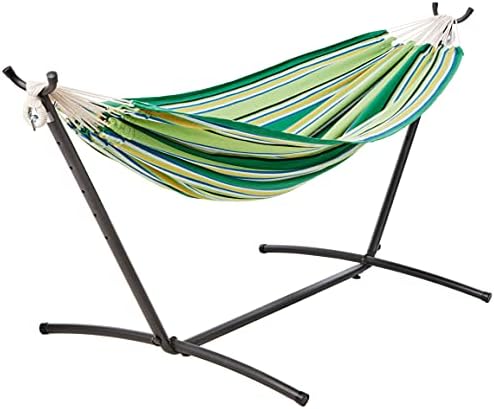
Amazon Basics Double Hammock with 9-Foot Space Saving Steel Stand and Carrying Case
Hammock, stand, and carry case in one box, so no trees and no separate purchases
The stand is heavy and it commits you to one spot in the yard
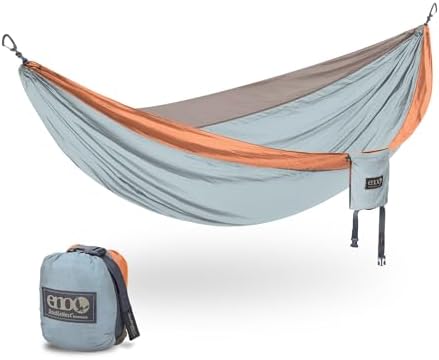
ENO, Eagles Nest Outfitters DoubleNest Lightweight Camping Hammock
Durable parachute nylon, genuinely light, and special edition colors people actually want
No bug net, no ridgeline, and suspension is a separate decision you have to make
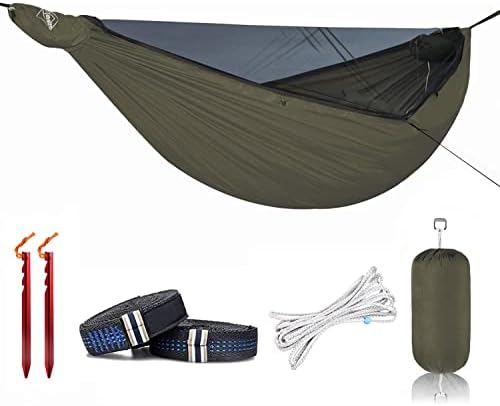
Onewind 11ft Ultralight Camping Hammock with Mosquito Net and Ridgeline
An 11-foot body, an integrated mosquito net, and a ridgeline included for a genuinely flat lay
It is a hammock body, not a kit, so a tarp and suspension still come out of your budget
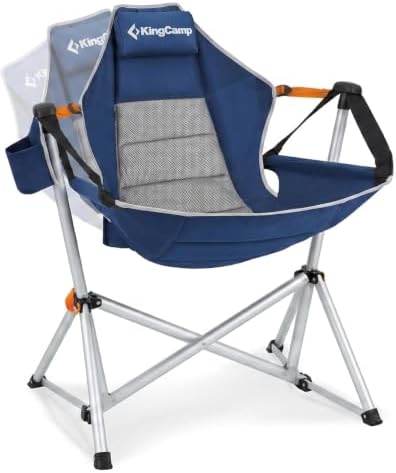
KingCamp Hammock Camping Chair, 400lbs Heavy Duty Swing Chairs for Adults
A 400 lb rating, comfortable for sitting, and no flat lay required to enjoy it
It is a chair. You cannot sleep in it overnight, and it needs one solid hang point
Prices and availability were captured from Amazon Creators API and may change.
What I check before I trust a hammock
A hammock lives or dies on geometry. Hang angle is the whole game. At roughly 30 degrees, the body flattens out and you can lie on the diagonal, which is how side sleepers survive the night. Hang it tighter and you get the banana. Hang it looser and your backside finds the ground by morning. A structural ridgeline, the cord running from one end of the hammock to the other, sets that sag for you so you are not guessing every single time you hang.
Suspension comes next. Wide, flat webbing straps spread your weight across the bark and keep the cambium layer alive. Rope cuts into trees, and thin cord concentrates load to the point where a healthy tree is damaged in a single weekend. If a hammock ships with rope in the box, treat the rope as packaging and nothing more.
Fabric matters, but less than people think. Parachute nylon is the standard for a reason: it packs small, it holds weight, and it has a little give. What you do not want is fabric that keeps stretching all night, so the hammock you hung at 9 PM has dropped several inches by 3 AM. That is the difference between a nap and a night.
Then there is weather. A bug net and a tarp are not accessories in the backcountry. They are the difference between sleeping and surviving. In a backyard in July, you can skip both. On a ridge in September, you cannot, and no amount of fabric quality saves you from a wet sleeping bag.
Amazon Basics Double Hammock with Steel Stand: the yard, solved
This is the complete package. A double hammock, a 9-foot space-saving steel stand, and a carrying case, with a 450 lb capacity and a 110 by 47 inch body. The beige stripe with lace trim tells you who it is for before you read a single spec: this is a patio hammock, not a trail hammock.
It won its slot because it removes every excuse. No trees, no straps to buy, no hardware store run, no figuring out whether that branch is actually load-bearing. The stand folds down into the case, so it moves from the deck to the lawn to the garage when the season ends. If you rent, if your yard is mostly concrete, or if your trees are young ornamentals you would rather not wrap anything around, this bundle answers the question that stops most people from buying a hammock at all.
It lost points for the same reason it won. The stand is heavy and it lives where you put it. This is not a backpacking item and it does not pretend to be. There is no bug net, no tarp, and no ridgeline, so the flat lay is on you to dial in by feel. Bring this to a campsite and you are carrying a steel frame into a forest that was already offering you free trees.
Who it is for: the deck owner, the renter, the grandparent who wants a nap spot that a grandkid can also climb into without anyone worrying about branch strength.
ENO DoubleNest: the lightweight classic
The DoubleNest is the hammock people picture when they hear the word hammock. Lightweight camping hammock, 1 to 2 person, in special edition colors, and the fabric has a reputation for surviving years of abuse. I have watched these things get stuffed into daypacks, sat in by two teenagers at once, and left hanging through a summer storm, and keep showing up the next season.
It won because it does the casual job better than anything else here. It packs down small, it is light enough to carry on a day hike, and it is comfortable within about thirty seconds of hanging. If your actual use case is a porch, a lake weekend, a music festival, or a car campsite where the trees are right there, this is the hammock you will reach for and the one your friends will borrow.
It lost because as a camping system it is a starting point, not a finished one. There is no integrated bug net, no ridgeline, and no tarp, and the suspension question is entirely yours to answer. It is also worth being honest about the "double" label: a two-person hammock is comfortable for one adult plus a kid, a dog, or a pile of gear, and for two adults only if they are small and genuinely like each other. Treat the double sizing as a comfort upgrade for one sleeper, not a bed for two.
Who it is for: the casual hanger, the day-tripper, the person who wants one hammock that works in the yard, at the lake, and on a car camping trip.
Onewind 11ft Ultralight: the one built for sleeping
This is the only hammock in the group designed from the start as a sleep system. It is an 11-foot ultralight camping hammock with a mosquito net and a ridgeline, and every one of those details is doing real work.
It won on length first. An 11-foot body is what lets an adult lie on the diagonal and actually get flat, and body length is the spec budget hammocks get wrong most often. The mosquito net is integrated, which means no separate net to buy, no gap at the ends for bugs to find at 2 AM, and no zipper situation that traps you inside. The ridgeline is included, so the sag is set for you and you are not re-learning the same hang angle every trip. And it is ultralight, which means it belongs in a pack rather than in a trunk.
It lost on completeness. This is a hammock body, not a kit. You still need a tarp for rain and a suspension system for the trees, so the total spend climbs past the sticker you see here. Setup is also more involved than throwing up a DoubleNest, and the first hang will take you longer than the fifth. That is a learning curve, not a defect, but it is real.
Who it is for: anyone who intends to actually sleep outside in it, especially in bug season.
KingCamp Hammock Camping Chair: the one you sit in
I include a swing chair in a hammock comparison because at camp, the chair is where you actually spend the evening. This is a hammock camping chair rated to 400 lbs, built as a heavy duty swing chair for adults, and it is not trying to be a bed.
It won because it is honest about its job. A hammock chair hangs from a single point, so one branch, one beam, or one dedicated chair stand is enough. The 400 lb rating matters more than people admit: it means bigger adults are not doing mental math about whether they are within spec. It is comfortable for reading, for coffee, for watching a fire, and for the hour after dinner when nobody wants to sit on the ground.
It lost because you cannot sleep in it. That sounds obvious, but people buy hammock chairs expecting a gateway drug and end up with a chair, which is exactly what they paid for. It also needs a hang point at the right height, so a tree with low, weak branches will not do, and a chair that hangs too low turns into a floor cushion with extra steps.
Who it is for: car campers, porch sitters, and anyone building a basecamp where sitting comfortably is the actual goal.
Suspension, straps, and tree safety
Two of these four hammocks leave the suspension question open, and that is where most people make their first expensive mistake. The rule is simple: two-inch wide webbing straps, every time. Rope and thin cord concentrate your weight into a band narrow enough to cut bark, and a tree can be scarred in one weekend by a hang that felt perfectly gentle.
Straps also protect you. A suspension that slips at 3 AM is worse than a suspension that sags, because you wake up on the ground with no idea which end failed. Wide straps, tree-friendly hardware, and a hang height you can verify in daylight will do more for your sleep than any fabric upgrade.
If you buy the Amazon Basics bundle, this section does not apply to you, which is one of its quiet advantages. If you buy the DoubleNest or the Onewind, budget for straps in the same order. And skip any hammock that includes rope in the box and calls that a suspension system.
Bug net, tarp, and the 3 AM test
Here is the question I use to sort gear: would I trust this at 3 AM in the rain? For the Onewind, the answer is yes once you add a tarp, because the mosquito net is already integrated and the ridgeline is already there. For the DoubleNest, the answer is yes only if you have bought a net and a tarp, and by then you have built a system around a casual hammock. For the Amazon Basics bundle, the answer is no in the woods and yes on the deck, which is the entire point of that product. For the KingCamp chair, the answer is that you should be inside your sleeping setup by then, not sitting in a chair.
That is not a knock on any of them. It is the reason a comparison like this one has no single winner. Buy the tool for the night you are actually planning.
Stand or trees?
A stand buys you independence and costs you portability. The Amazon Basics stand is the right call for a yard with no trees, a rental with a small patio, or a spot where you want a hammock up permanently from April to October. Trees buy you portability and cost you a tree-safety checklist. If you go the tree route, walk the site in daylight, look up before you look down, and confirm both anchors are alive and at least a hand-span thick.
Which one should you buy?
- Sleeping outdoors, bug season, real trips: Onewind 11ft, plus a tarp and wide straps.
- No trees, no fuss, backyard naps: Amazon Basics Double Hammock with the 9-foot steel stand.
- One hammock for porches, lakes, and car camping: ENO DoubleNest.
- Sitting at camp is the whole point: KingCamp Hammock Camping Chair.
What I'm testing next
I am midway through a round of overnight hangs focused on the thing that separates good hammocks from great ones, which is whether the fabric still feels the same at hour six as it did at hour one. Stretch is the quiet killer: a hammock that measures perfectly at 9 PM and has you sliding toward the middle by 3 AM is a hammock you stop trusting. I will have notes on that, plus a longer look at how ridgeline length changes the lay on an 11-foot body, in the next batch of reviews.